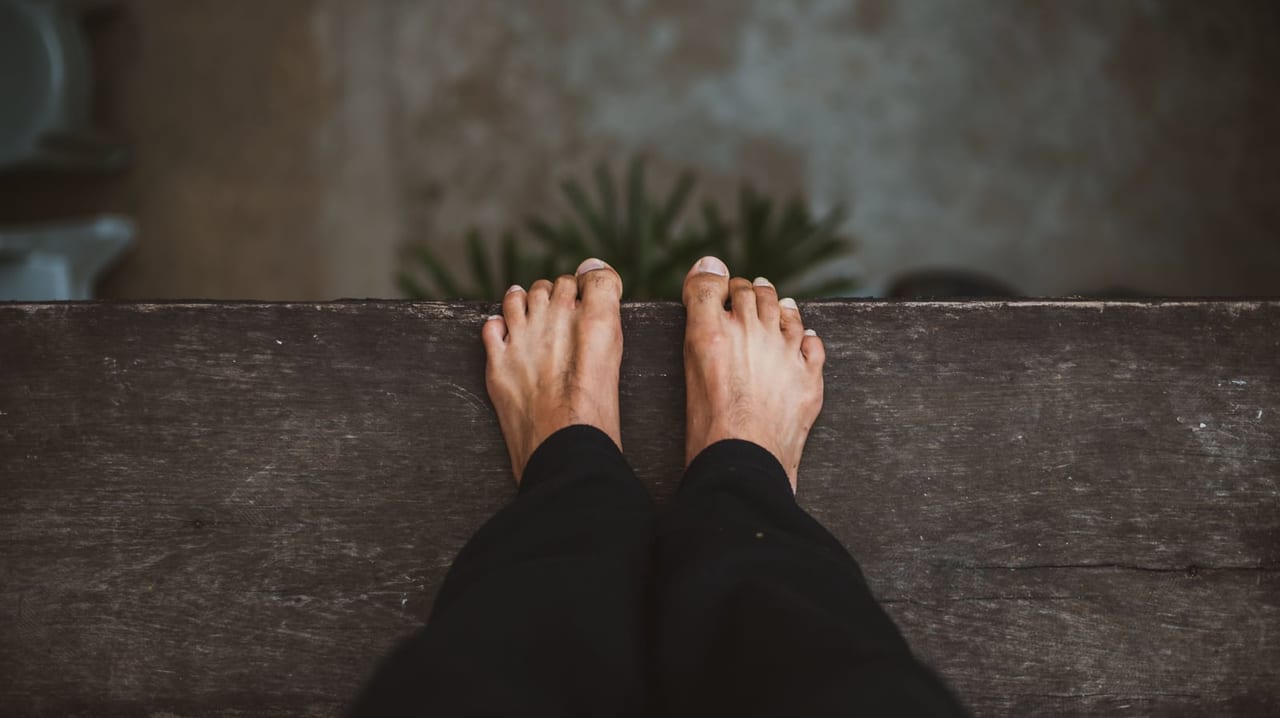
Corns and Calluses: Why They Form and What to Do
A hard little bump on the side of a toe, or a thick, rough patch under the ball of the foot, can go unnoticed for weeks. Then one pair of shoes presses on it, and it's hard not to wonder what the spot is and why it's there at all.
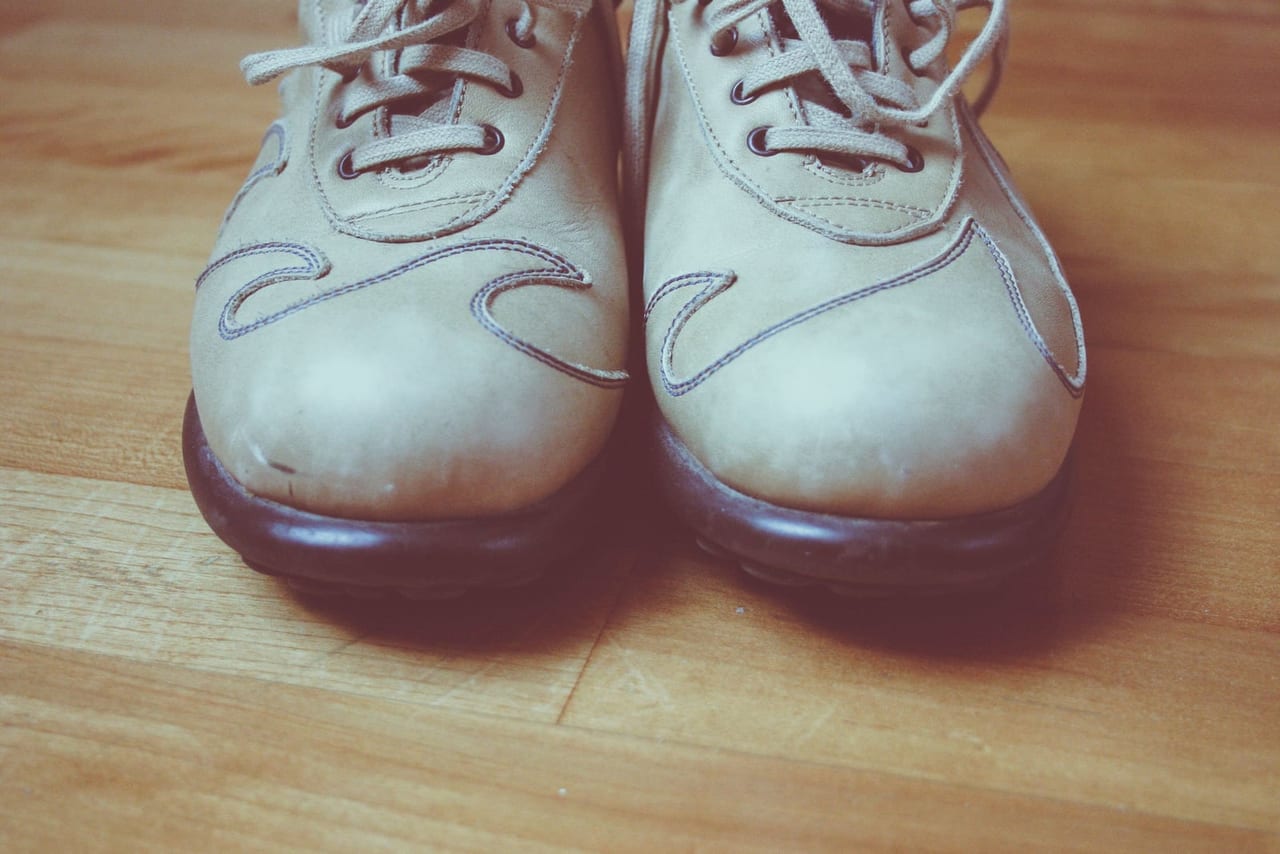
Pick up an old pair of shoes and look inside. There's usually a shadow where the ball of the foot has pressed into the insole, and sometimes a bulge in the lining above the little toe, a record of where foot and shoe meet hardest. The skin can keep a record too. Where rubbing or pressure is steady, it may build a hard, thick pad that goes unnoticed until a thumb runs over it.
Sooner or later, a patch like that can send you hunting for nail clippers or a razor blade. It's an understandable urge, and one worth resisting. What's safest to do depends partly on what the spot is and partly on what keeps pressing on it.
The short answer
Corns and calluses are patches of thickened, hardened skin that build up where one spot on the foot takes repeated rubbing or pressure. Calluses are broader and usually don't hurt, while corns are smaller, with a hard center, and can be tender when pressed. Shoes that fit poorly, socks that bunch up and toes that rub because of their shape are common reasons. Many people choose roomier shoes, cushion the spot with a soft pad and smooth the skin gently after a bath, but cutting, shaving or picking at it isn't safe. Talk with a healthcare professional if a corn or callus is painful, bleeding, red, warm, draining or keeps returning, or if you have diabetes, poor circulation or reduced feeling in your feet.
What corns and calluses are
Corns and calluses are both the skin's way of protecting itself. Where it's pressed or rubbed again and again, the outer layer builds up into thicker, harder skin, much as a guitar player's fingertips toughen with practice. A callus is the broader kind, with an irregular outline, and it tends to form where the foot carries weight, such as the heel, the ball of the foot and the big toe. Most calluses don't hurt, and the skin may look yellowish and feel dry or waxy.
A corn is smaller and more concentrated, with a hard center, and it often sits inside a larger patch of thickened skin. Hard corns usually appear on the top of a toe or along the outer edge of the little toe, where a bony knuckle presses against the shoe, and they can be tender when pressed. Soft corns form between the toes, where the skin tends to stay damp, and they look whitish or gray and feel rubbery.
For most people, corns and calluses are more of a nuisance than a danger, and a patch that doesn't bother anyone can often be left alone. Trouble tends to start when the thickened skin begins to irritate the tissue underneath, so a corn turns tender, or a callus that has grown thick or dry starts to ache.
Why the skin thickens in the first place
Thickening is the skin's answer to pressure or rubbing that keeps repeating, and shoes are the most common source of both. A shoe that's too tight squeezes the toes, while one that's too loose lets the foot slide and rub. High heels shift weight toward the front of the foot. A seam or stitch inside the shoe can rub the same spot all day, and socks that bunch up, or no socks at all, leave the skin to take the friction alone.
Shoes are only part of the picture. A toe that curls into a hammer shape, as in hammertoes, rubs its raised knuckle against the top of the shoe. A bump at the base of the big toe changes where that part of the foot meets the shoe. Thick patches tend to turn up in those places, and the way a person walks, carries weight across the foot or spends the day can add to the load.
That's why two people can wear the same shoes and end up with very different skin. Foot shape and the way each person moves seem to account for part of the difference. It also explains why smoothing the surface changes how a patch looks and feels, not what is pressing on it, and why a patch can return when the cause stays the same.
Everyday habits for shoes, socks and skin
These are habits many people fold into an ordinary week, aimed at the shoe, the sock and the skin more than the corn itself. You'll want a basin or a bath, a towel, a pumice stone or fine foot file, a plain moisturizer, soft non-medicated pads and socks that fit smoothly. People with diabetes, poor circulation or reduced feeling in the feet should check with their care team before trying any of this.
Try shoes on late in the day
Feet can be a little larger by evening, so try shoes on then, in the socks you'll wear with them. Look for room to wiggle your toes and for seams that stay off bony spots.
Wear socks that fit smoothly
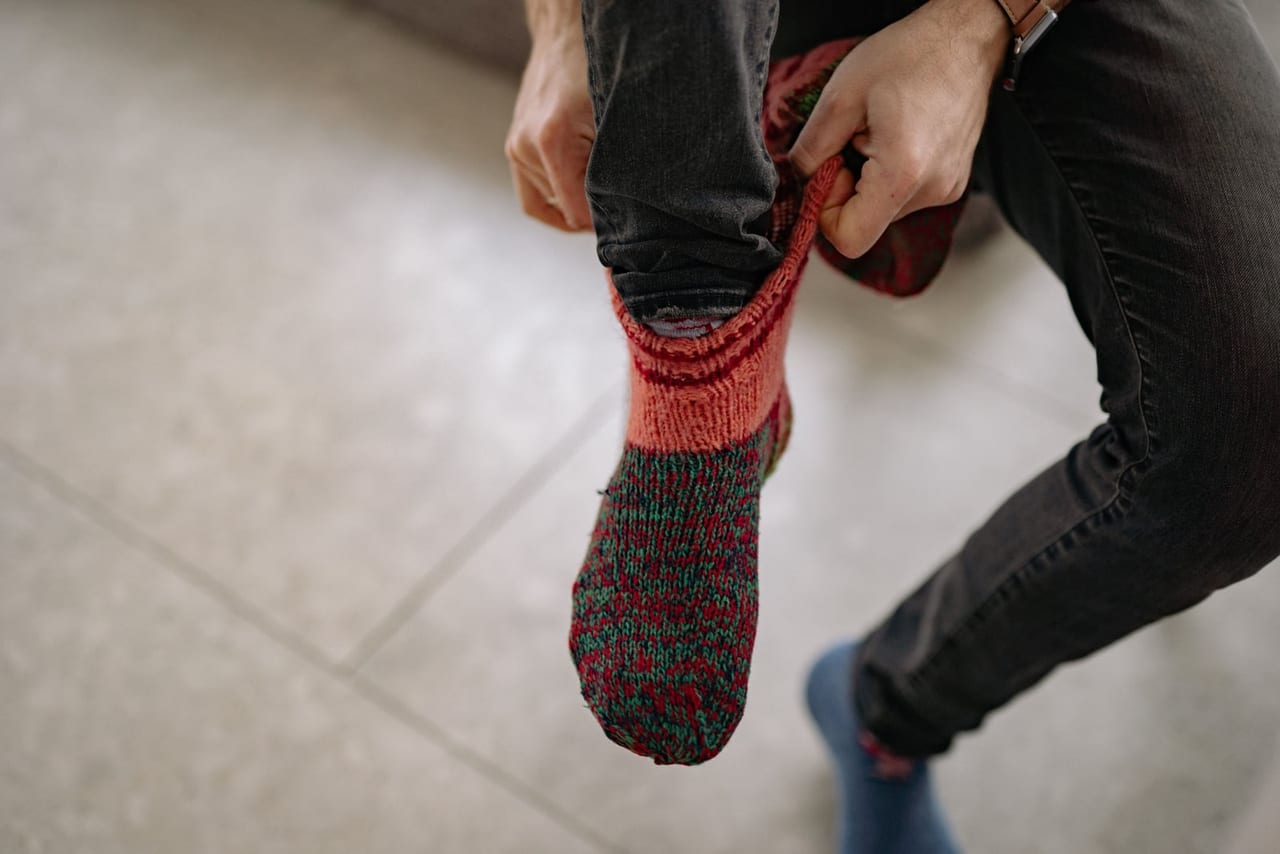
Socks that bunch up add to the rubbing, and so does going without socks in closed shoes. Many people find cushioned socks more comfortable.
Pad the spot with something soft
Many people put a non-medicated, donut-shaped foam pad or a ring of moleskin around a corn, so the shoe presses on the pad instead. Between the toes, some use a little lamb's wool.
Soak, then smooth gently
After a bath or a warm soak, rub the thick skin lightly with a wet pumice stone or a fine file, using small circular or sideways strokes. Stop well before the skin feels tender.
Moisturize the area daily
A plain moisturizer rubbed in each day is one of the habits most often suggested for keeping thick skin soft and flexible.
Leave trimming to a healthcare professional
Don't cut, shave or pick at thick skin, and skip medicated corn removers if you have diabetes or poor circulation. A foot and ankle specialist can trim it safely.
A roomy toe box gives the toes space, which many people find more comfortable, as how to find shoes that fit wide feet explains. A lower heel tends to put less of the load on the front of the foot, and cushioned insoles are another thing some people try. For thick, dry skin on the heels, how to keep your heels soft and smooth goes into the daily routine.
What a healthcare professional may do
A foot and ankle specialist, or another healthcare professional, may start by examining the foot and asking about your shoes and daily activities. Thick skin can be carefully trimmed away with a blade during a visit. That's the safe version of what people are tempted to try at home.
Beyond trimming, a professional may talk through options in plain terms: footwear that suits the shape of the foot, padding to shift pressure off a spot, and custom-made inserts for some people. If the shape of a bone keeps causing the problem, surgery is occasionally part of the conversation. And if the skin has broken down or turned red, warm or sore, they can decide what care it needs.
When corns and calluses may mean something more
Ordinary thick skin follows a familiar pattern. It sits where a shoe or the ground presses, it may feel tender after a long day, and it tends to fade slowly as the rubbing eases. For most people, a patch like that is a matter of comfort rather than concern.
Pay closer attention if a spot becomes painful enough to change how you walk, bleeds, turns red or warm, or has tiny dark dots in it. Other things can look like a corn, a plantar wart among them, and it isn't always possible to tell by looking; a healthcare professional can tell what is going on.
Questions people ask
Do corns and calluses go away on their own?
Often, but slowly. When the rubbing or pressure behind a patch eases, the extra skin tends to thin out gradually, often over weeks or months rather than days. One that stays, or returns after the shoes have changed, is worth having looked at, since something else may be pressing on it.
Is it safe to cut or shave a corn at home?
It's safer not to. A blade can go too deep and leave an open cut, and a small cut on a foot is easy to miss and slow to close, especially with diabetes or poor circulation. For most people, a pumice stone or fine file used lightly on softened skin is the usual alternative, and a foot and ankle specialist can trim thick or painful patches.
Are medicated corn pads safe to use?
They contain an acid that softens thick skin, but it can also irritate the healthy skin around a corn and, for some people, lead to sores. That's why they're not advised with diabetes or poor circulation. Plain, non-medicated pads, which only cushion the spot, are the kind most often suggested.
The bottom line
A corn or callus is less a flaw in the skin than a message from it. Somewhere, the same spot keeps being asked to take more than it can absorb, and the skin has answered by building a shield. You can't change how your foot is built, but you can often change how much that one spot is asked to carry.