Plantar Warts: What They Are and How They Differ From Corns
A rough, hard patch on the sole is easy to put down to shoes, and often that's the right answer. Now and then it turns out to be a growth with a different cause, and that changes what's sensible to do about it.
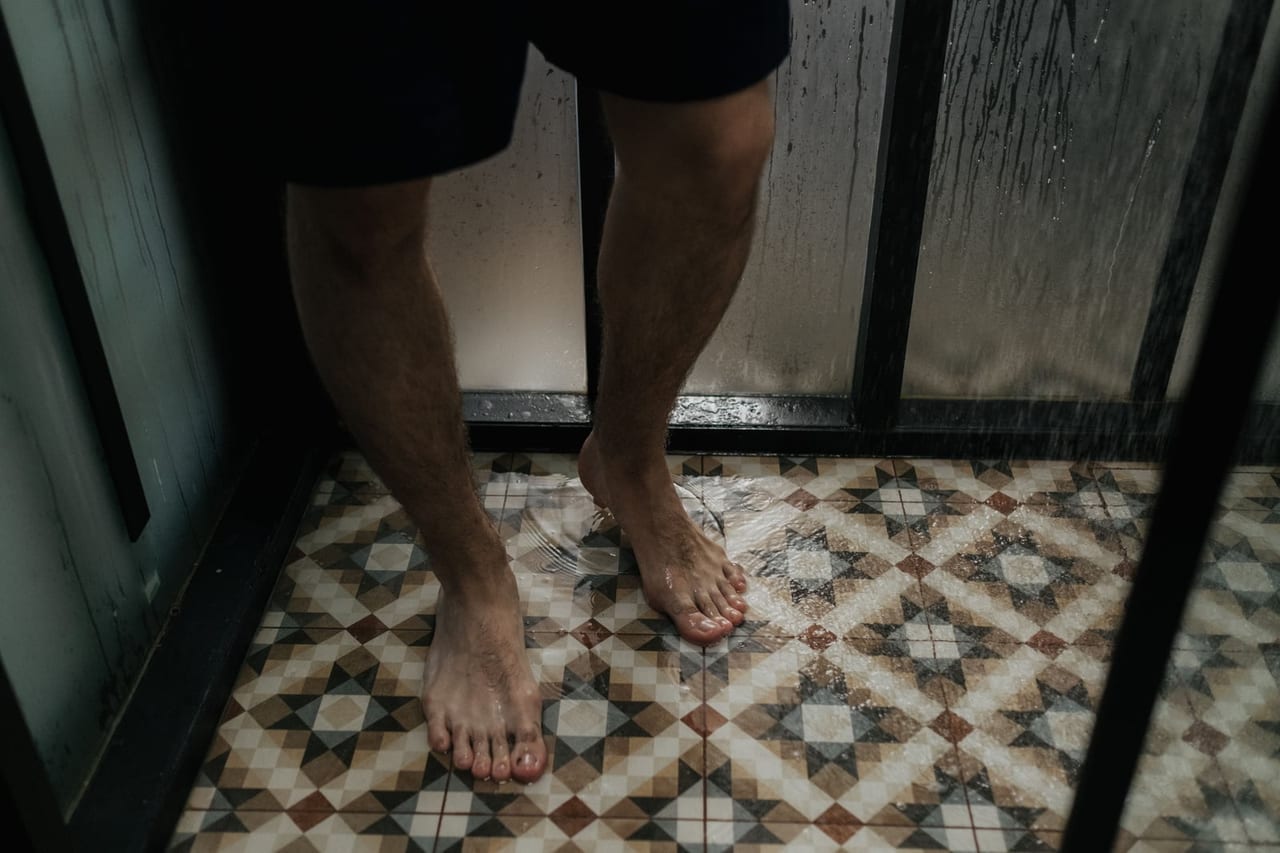
Barefoot on the bathroom floor after a shower, you run a thumb along the ball of your foot and catch on something rough. It's a small, hard patch, and it's tender when you stand on it. It doesn't look quite like the thick skin on your other heel.
The first guess is a corn, since shoes get blamed for most of what happens on a sole, and a corn is often right. But a growth caused by a virus can turn up in the same places and look much the same. It behaves differently, though: it can spread, it can multiply, and it isn't something to scrape at with a razor blade.
The short answer
A plantar wart is a small, rough growth on the sole caused by a common virus (human papillomavirus, or HPV) that enters through tiny breaks in the skin. The sole carries your weight, so the growth is often pressed flat and can pass for thick skin. A corn or callus is skin that thickens where something rubs or presses, with no virus behind it. The virus does well in warm, damp places such as pool decks and locker rooms, and it can spread, though not easily.
People commonly wear sandals on shared wet floors, keep their feet dry and their towels to themselves, and leave the spot alone rather than cutting or picking at it. Many warts go away without help, though that can take a year or two, and some stay. A healthcare professional can tell what a spot is; get it looked at if it bleeds, changes, hurts when you walk or spreads, or if you have diabetes, reduced feeling, poor circulation or a weakened immune system.
What a plantar wart is
A plantar wart is a small growth in the skin of the sole. HPV is a large family of related viruses, and only a few types cause warts on the feet. The virus usually gets in through tiny cuts, breaks or weak spots you'd never notice, and the skin there builds a rough, thickened patch. Most plantar warts are harmless, even when they're a nuisance.
Because standing and walking press down on the sole all day, a plantar wart tends to be pushed flat and inward instead of rising up like a wart on a finger. It can look like a callus and sit deeper than it appears. The surface is often rough or grainy, and many warts have tiny dark dots like pinpricks, which are small clotted blood vessels. Some feel nothing, others feel tenderness when they stand or walk, and several can appear together.
How a wart differs from a corn or callus
The biggest difference is the cause. A corn or callus is thickened skin that builds up where something rubs or presses, such as a seam, a tight toe box or the way weight lands on the foot; it's the skin padding itself, and no virus is involved. A wart can appear anywhere on the sole, not only where a shoe or a bone presses. The guide to corns and calluses covers those in full.
A few clues tend to separate the two, though none is a sure test. Warts often have those tiny dark dots, which corns and calluses generally lack, and a wart tends to break up the fine lines that run across the sole, while the lines usually carry on across a corn or callus. A wart is often described as more tender when pinched from the sides, and a corn as hurting most when pressed straight down.
Thick skin blurs every one of these clues, and a wart can sit under skin that looks like an ordinary callus. A healthcare professional can often tell by looking. That's why this page can describe how the two tend to differ but can't say which one is on your foot.
How warts spread, and why some people get them
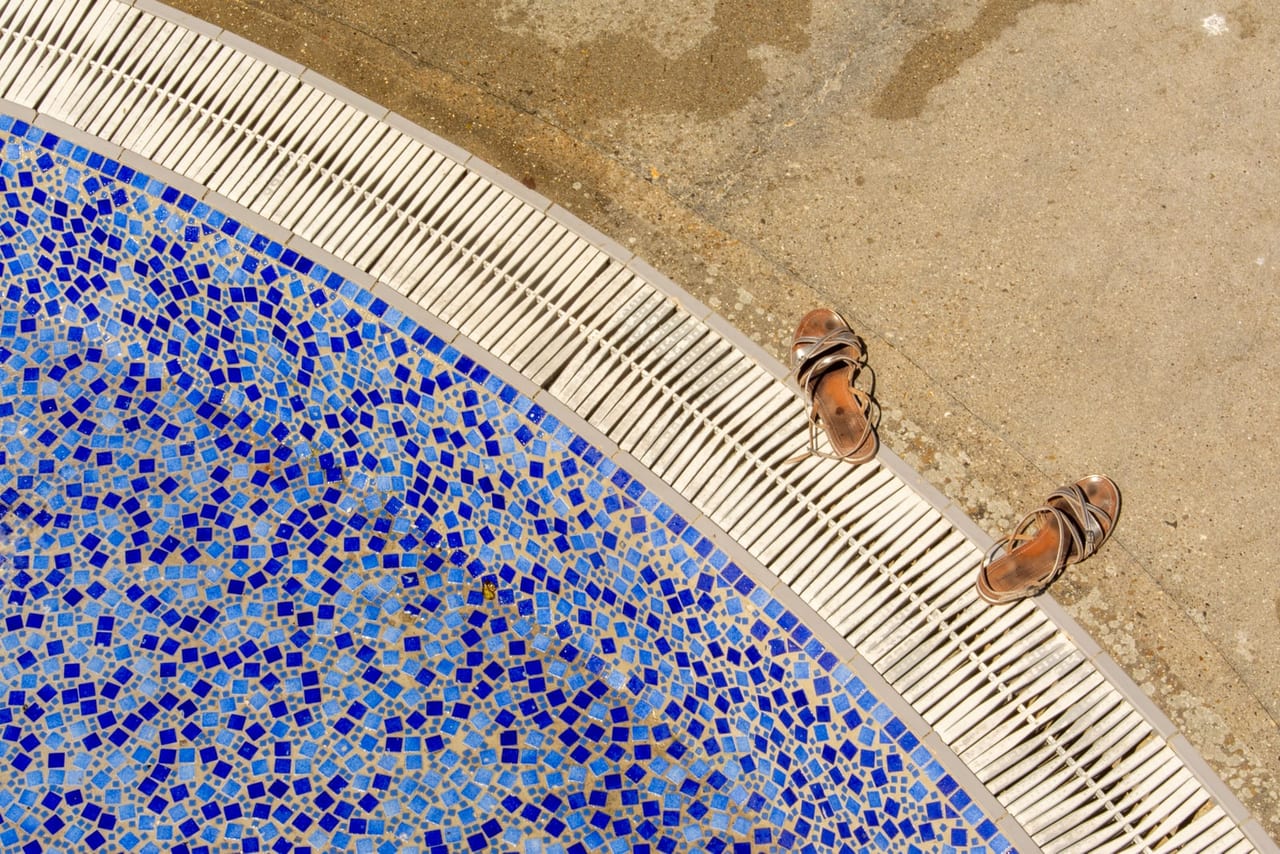
The virus does well in warm, damp places, which is why pool decks, locker rooms and gym showers are the usual suspects. Walking barefoot there lets the virus meet the tiny cuts, scrapes and weak spots it needs to get in. Towels, socks and shoes can carry it too, and a wart can spread across one person's own foot when it's picked, scratched or shaved over.
Contagious doesn't mean easily caught, though. Plenty of people walk barefoot around pools without ever getting a wart, partly because the immune system often deals with the virus before one forms. Why one person gets a wart and the next doesn't isn't fully understood. Warts are more common in children and teenagers and when the immune system is weakened, and having had one raises the chance of another.
Everyday habits for shared floors and your own skin
These are habits many people use to lower the chance of picking up the virus or passing it around. You need only sandals or shower shoes, a towel of your own, mild soap and water, clean socks and a waterproof bandage.
Wear sandals on shared wet floors
Slip on sandals or shower shoes at pool decks, locker rooms and gym showers instead of going barefoot.
Keep your feet clean and dry
Wash with mild soap and water, then dry well, including between the toes. Change socks when they get damp.
Keep towels and shoes to yourself
Avoid sharing towels, socks, shoes, razors or nail clippers, since the virus can travel on them.
Cover small cuts and scrapes
Tiny breaks in the skin are the usual way in, so many people bandage a scrape on the sole or toes until the skin has closed over.
Leave the spot alone
Don't pick, scratch, shave over or cut at a rough spot on your sole. Picking can carry the virus to nearby skin, and a blade can leave an open cut.
Wash your hands after touching it
If you do touch the spot, wash your hands right away. In shared wet areas, many people cover a known wart with a waterproof bandage.
Sandals on a shared wet floor are the same habit that comes up for athlete's foot, which also likes damp floors, as athlete's foot explains. Dry feet also depend on shoes that get time to dry between wears, covered in keeping shoes and insoles fresh. None of this removes the chance entirely.
Waiting it out, pharmacy products and professional options
Many plantar warts go away without help. It can take a year or two, sometimes longer, and some don't, so no timeline is certain. When a spot isn't painful or spreading and nothing else about it worries you, waiting is a reasonable choice for some people.
The pharmacy shelf also holds products made for warts, usually a skin-softening acid in a liquid, gel or medicated pad. They tend to work slowly, over weeks to months, they don't always work, and they can irritate healthy skin nearby, so the label's directions matter. People with diabetes, poor circulation or reduced feeling in the feet are told not to use them on their own. Folk methods passed around online have thin evidence behind them, and some can irritate skin.
A healthcare professional can usually tell what a spot is by looking, and may pare the surface or take a tiny sample if it isn't clear. They may then talk through options: freezing the wart, stronger skin-softening preparations, other in-office procedures, or medicines that prompt the body's immune response. Freezing can sting and may raise a blister, options often take more than one visit, and a wart that clears can come back.
When a spot on the sole may mean something more
Most plantar warts are small, slow and harmless. A spot that has been tender for a while, hasn't changed and isn't multiplying is a familiar pattern, and for many people it's a matter of comfort rather than concern, with no need to rush.
Pay closer attention when the pattern changes. A spot that bleeds, changes color or shape, hurts enough to alter how you walk, multiplies or has stayed for a long time deserves a look, as does one that comes back after seeming to clear. Other skin changes, skin cancers among them, can pass for a wart, and only an examination can tell which is which.
Questions people ask
Is it the same HPV people hear about in the news?
It belongs to the same large family, but the few types behind warts on the soles are mostly different from the ones passed on through sexual contact. A plantar wart is a skin matter, picked up from floors and surfaces.
Can I swim or go to the gym with a plantar wart?
Many people do, with a waterproof bandage over the spot and sandals on shared wet floors, which keeps the wart covered. A healthcare professional can say what suits you in particular, especially if the spot is painful or you have diabetes.
The bottom line
A plantar wart looks like something that ought to be scraped, picked or dissolved, and that urge usually causes more trouble than the wart does. It's a common virus in a small patch of skin that the body often deals with in its own time, and it asks for less than it seems to. Most of what people do about one is quiet and a little dull: mind the floors, the towels and the skin, and let the spot be.