How to Keep Your Heels Soft and Smooth
Dry, rough heels are common, and left alone they can crack. Keeping them soft is less about one big scrub than a few gentle minutes most days.
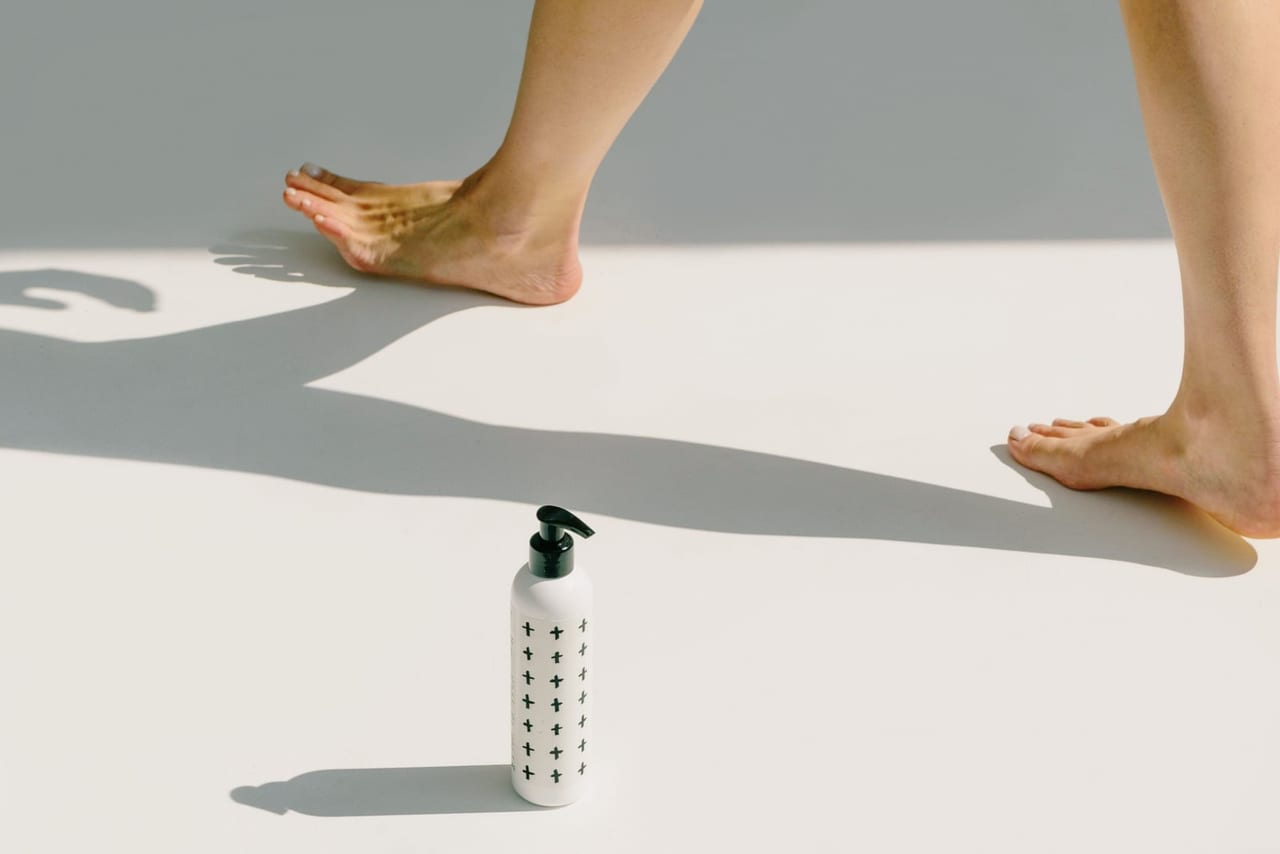
Pull off your socks at the end of a long day and run a thumb along the edge of one heel. Where the rest of the sole feels smooth, the rim may feel dry and rough, and after a summer in sandals the fabric may even catch on it. Heels rarely get a thought until something like that happens, and by then the roughness has usually been building for a while.
The short answer
Heel skin is thick and takes a lot of pressure, and when it dries out it loses its give. Dry air, hot showers, long hours on your feet and open-backed shoes can all speed that up, and very dry heels can crack at the edges. For most people, a simple routine helps: soften the skin, smooth it gently with a pumice stone or foot file, moisturize every day and keep your heels covered. If a crack becomes a sore that isn't getting better, or looks red, warm or swollen, talk with a healthcare professional.
Why heel skin gets dry and rough
Your heels take the first contact of most steps and carry much of your weight when you stand, and skin that is pressed and rubbed day after day tends to thicken. Thick skin that dries out turns stiff and rough. Standing all day on concrete or tile keeps the pressure steady, because floors like these don't give, so your feet and shoes take all of it.
Footwear plays its part. Sandals, slides and open-backed shoes leave the heel uncovered and unsupported, and many people notice their heels get rougher in them; there is more in how to keep your feet comfortable in hot weather. The bathroom matters as well. Hot water and harsh soaps can strip away the natural oils that help skin hold on to moisture.
The air around you and the years behind you complete the picture. Cold weather outdoors and heating indoors both dry the air, and skin loses moisture to it, which is one reason many people find their heels at their roughest in winter. Skin also tends to get drier as the years go by, and the fat pad under the heel can thin, so the heel may feel the ground more than it used to.
Why dry heels crack instead of just feeling rough
To understand the crack, picture what sits under the skin. Beneath the heel is a thick pad of fat, packed into small pockets of tough tissue, that cushions every step. It compresses under your weight as the heel lands and springs back as you lift your foot, and supple skin moves with it.
Thick, dry skin has less give. Instead of stretching with the pad it resists, and under enough pressure it can split, often along the rim of the heel. That's why keeping heel skin moist matters as much as smoothing it: the pumice stone takes down the rough surface, and the cream keeps the skin supple enough to move with the pad beneath it.
A gentle routine for soft heels
The whole routine takes about fifteen minutes with a basin or a bath, a pumice stone or a foot file, a towel, a thick cream or balm and clean, soft socks. The smoothing only needs doing when rough patches return, while the cream is for every day. If you have diabetes or reduced feeling in your feet, skip long soaks, test the water first and ask your care team before filing thick skin yourself.
Soften the skin first
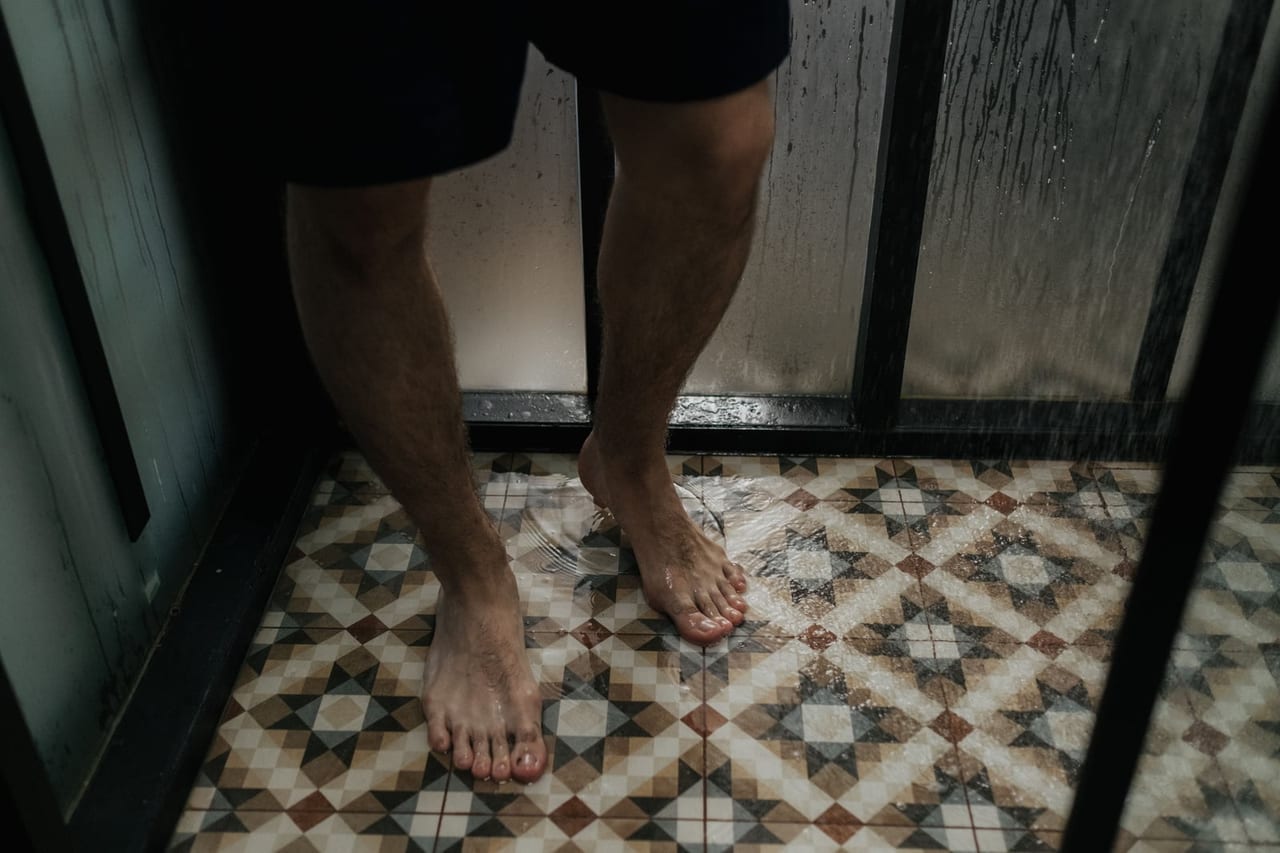
Work on your heels right after a bath or shower, when the skin is softer, or after a short soak in warm, not hot, water. If you have diabetes or reduced feeling in your feet, skip long soaks and test the water first.
Smooth gently with a pumice stone
Rub the rough areas lightly with a wet pumice stone or a foot file, a few strokes at a time. Stop while it still feels comfortable, and never cut, shave or pick at thick skin.
Pat dry and moisturize
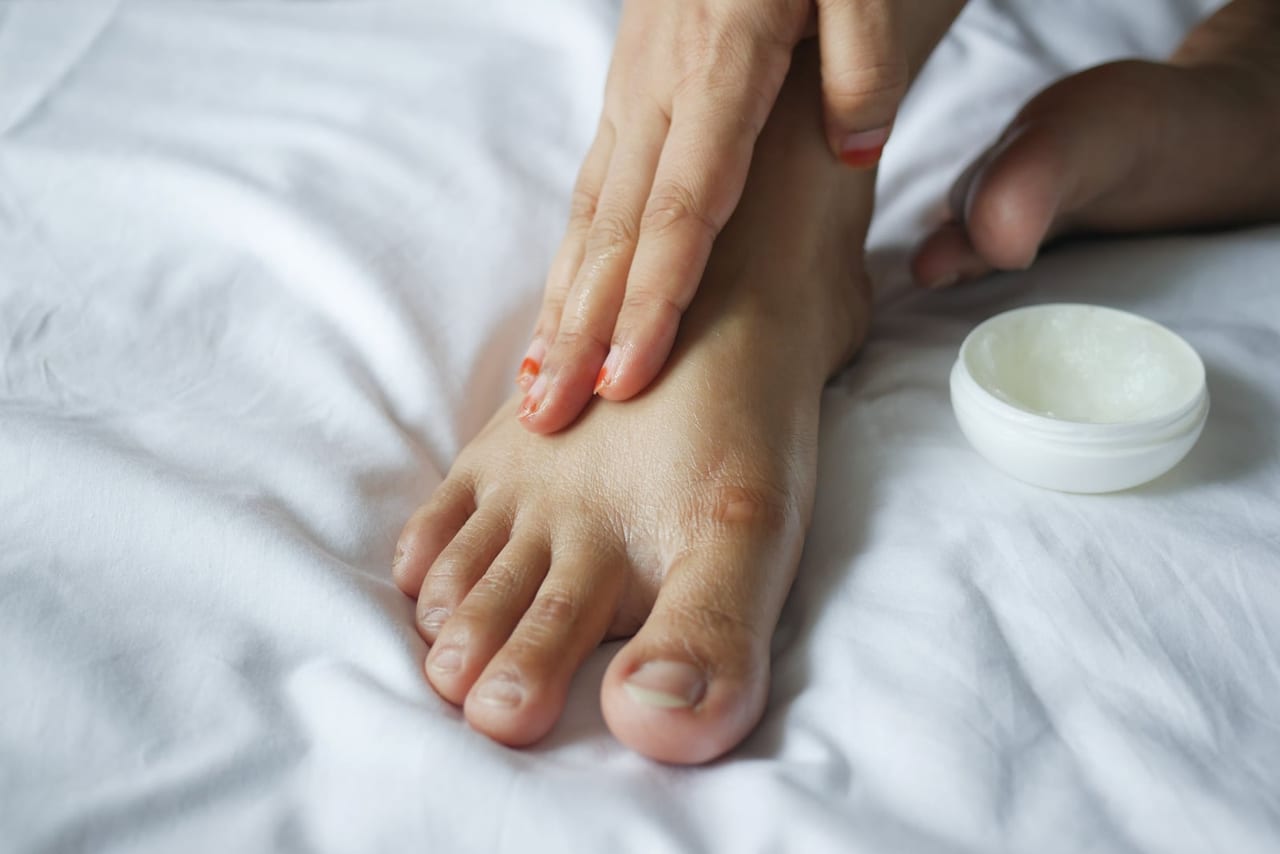
Pat your feet dry, then rub a thick cream or balm into your heels and soles. Keep it out of the spaces between your toes.
Put on socks to keep it in place
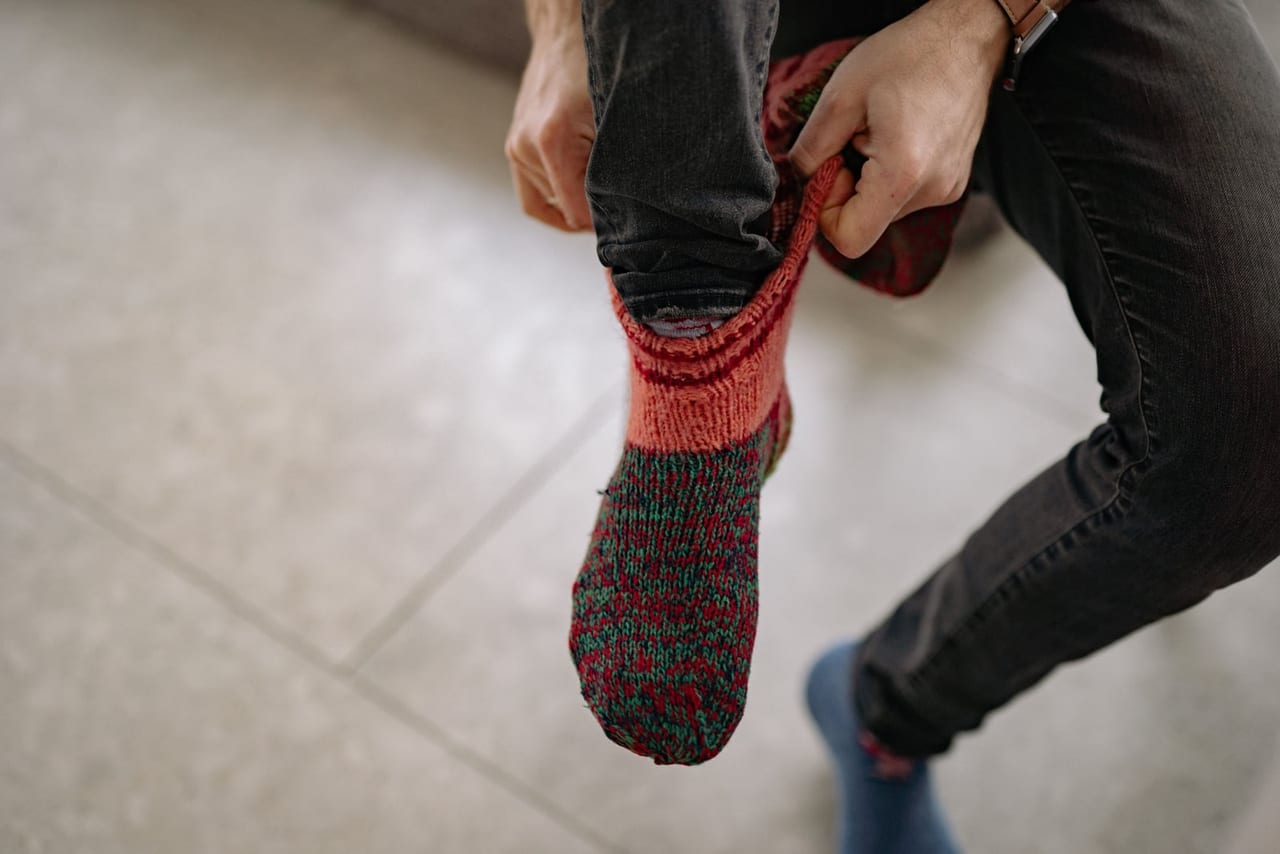
Pull on clean, soft socks for a while or overnight, so the cream stays on your skin instead of the floor or the sheets.
Moisturize every day
Make cream on your heels part of your daily routine, even when they feel fine. Smooth them again only when rough patches build up.
Keep your heels covered
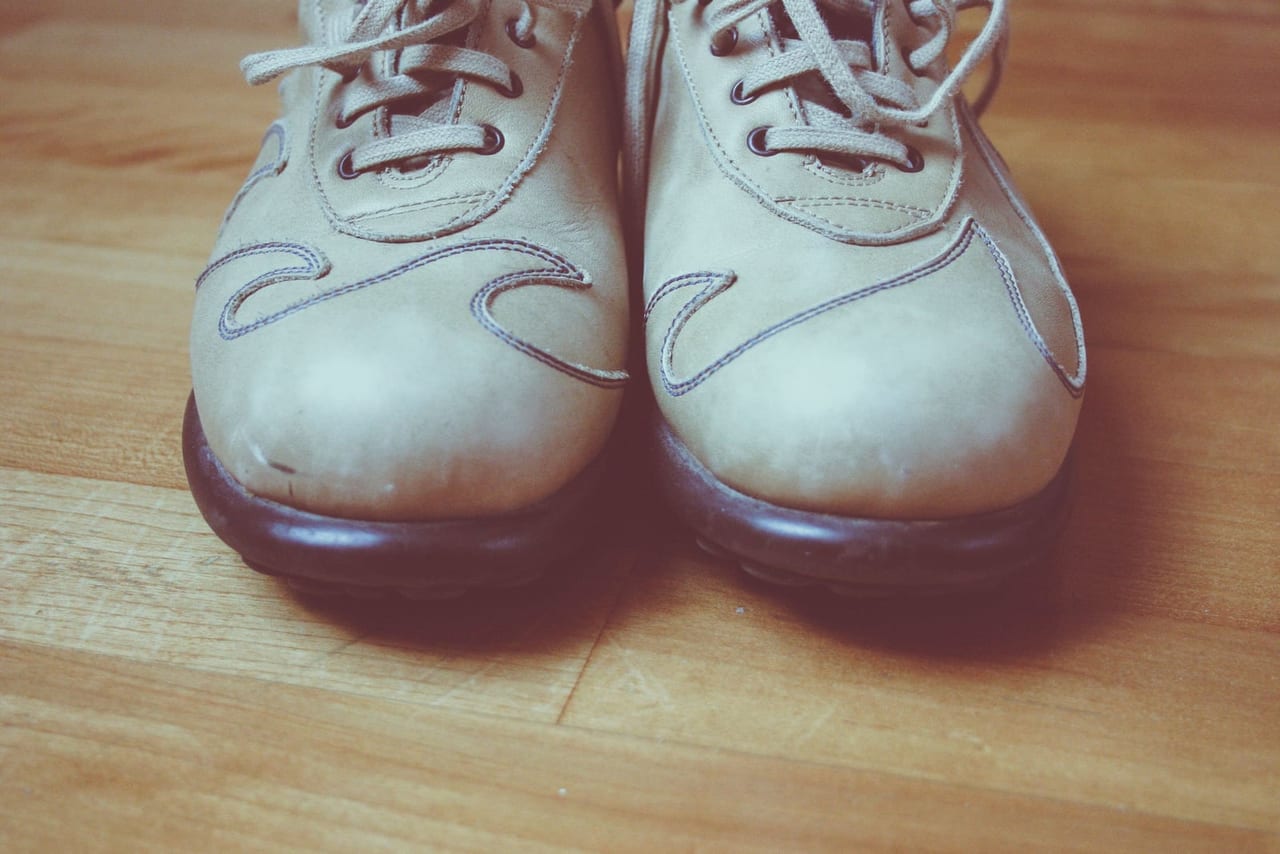
On long days, choose shoes with a closed back, or sandals with a strap around the heel, and wear socks that cushion. Save open backs for shorter outings.
The easiest way to keep this up is to attach the habit to something you already do, such as the minute after a shower or the moment before bed. Judge by how the skin feels under your thumb rather than by how it looks. The rest of a daily foot routine is in simple habits for healthier feet.
What you wear and use between routines
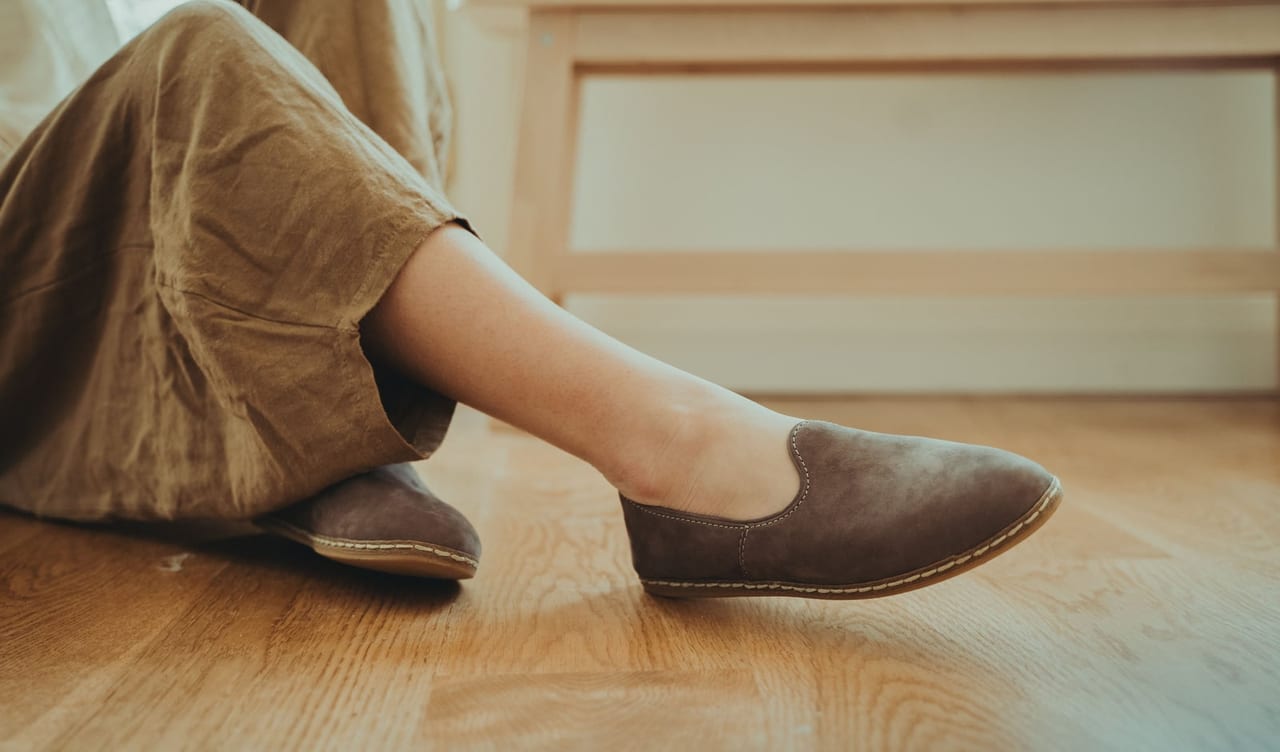
What you wear from day to day decides how quickly the roughness comes back, and shoes matter most. Closed-back shoes, or sandals with a strap around the heel, keep the heel covered and steady, so save the open backs for shorter outings. Long days on hard floors put steady pressure on the heel, and a cushioned midsole or an insole is one way to add cushioning under it, though not everyone needs one.
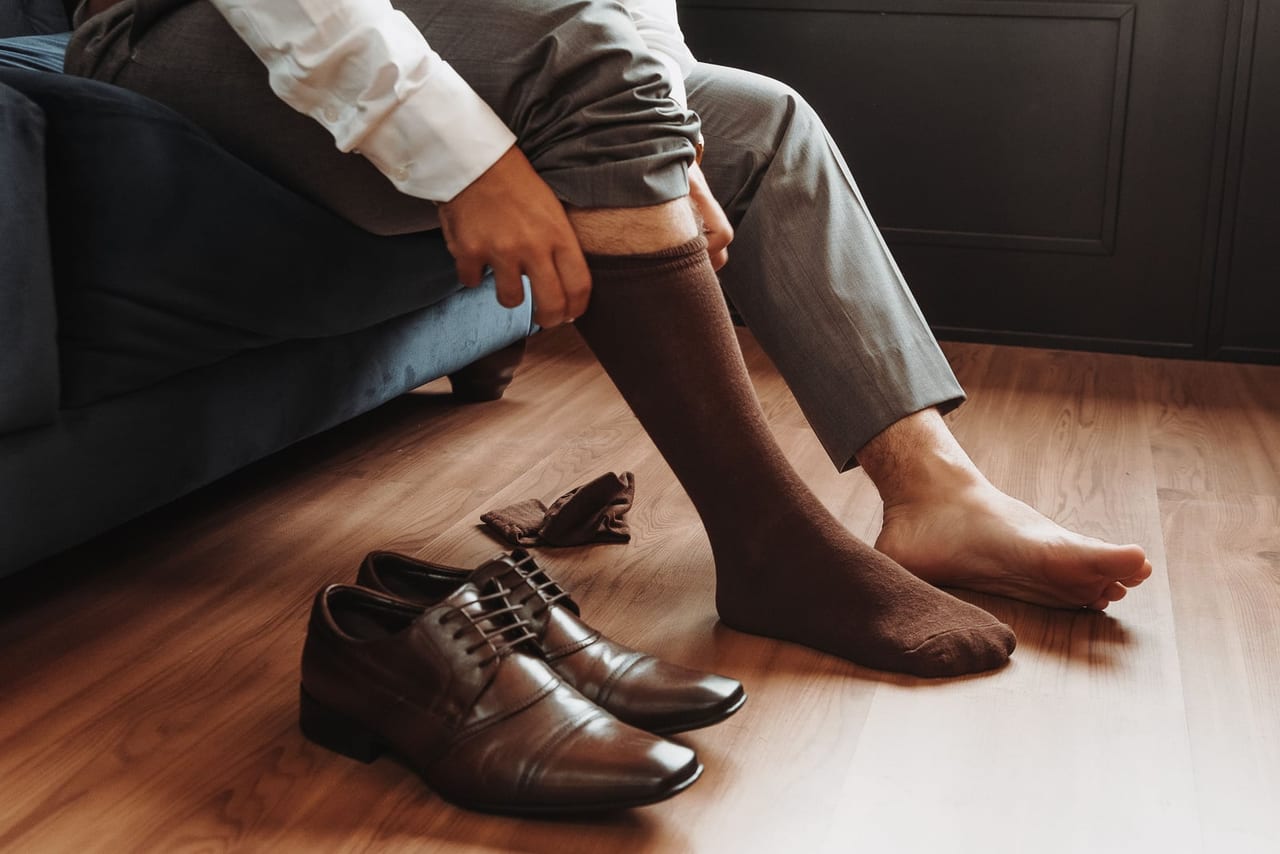
Socks do two jobs: clean, soft socks cushion the heel inside the shoe by day, and at night they keep cream on your skin instead of on the sheets, as socks for long days on your feet explains. The cream itself deserves some thought. Many people find rich creams, balms or ointments made for dry feet suit heel skin better than thin lotions. Some contain urea or lactic acid, which can sting on cracked skin.
The tools can stay simple. A pumice stone or a fine foot file is enough; rinse it and let it dry after each use, and never use razors, blades or scissors on thick skin, because they can easily go too deep and leave an open cut. The shower can be kinder too, since warm rather than hot water and a gentle cleanser help skin keep more of its natural oils.
When rough heels may mean something more
Some roughness and a few shallow lines at the edge of the heel are common, especially in dry weather. Many people find they soften with regular care, and patches that come and go with the seasons or your footwear are following an ordinary pattern. The skin is doing what thick skin under pressure does.
Pay closer attention if a crack turns into a sore that isn't getting better, or if the skin around it turns red, warm or swollen. The same goes for dry, scaly skin that spreads across your soles or between your toes and doesn't clear up. It may not be serious, but it's a reason to get your feet checked.
Questions people ask
How often should I use a pumice stone?
Only as often as rough patches build up, and always gently on softened skin. Stop before the skin feels tender, and moisturize afterward. Between sessions the daily cream does most of the work, so there's no need to file heels that already feel smooth.
Can I cut or shave hard skin on my heels?
It's safer not to. Blades can easily go too deep and leave an open cut, so use a pumice stone or foot file gently instead. If the skin is very thick, ask a healthcare professional rather than trying to take it down yourself.
Should I wear socks to bed after moisturizing?
Many people do. Clean, soft socks keep the cream on your heels instead of your sheets while you sleep, so more of it stays where it is needed. If overnight socks bother you, wearing them for a while after the cream goes on works too.
The bottom line
Rough heels are what hard-working skin looks like when it's dried out, and the way back is as gradual as the way there. You can't spare your heels the pressure, but you can keep the skin that takes it supple.