How to Trim Your Toenails the Right Way
A toenail that has grown too long makes itself known in small ways: a snag in a sock, a tap against the front of a shoe. Trimming it takes a few minutes, and the way you cut it shapes how the next few weeks feel.

It often starts with a sock. You pull one on and it catches on a big toenail that's grown a little long, or a shoe that fit fine last month starts to press at the front. So you sit on the edge of the bed, pull one foot up at an awkward angle and reach for whatever clippers are in the drawer.
The cut that comes naturally is the fingernail cut: follow the curve, round the corners and take the nail short so the trim lasts. A toenail, though, spends its day under the steady pressure of a shoe, and that tidy, rounded shape behaves differently there.
The short answer
Trim toenails when they're soft, after a bath, a shower or a short soak, using a toenail clipper. Cut straight across in small snips, leave the nail about level with the tip of the toe and keep the corners visible, then smooth sharp edges with a file. Avoid cutting too short or digging into the corners. If you have diabetes, poor circulation or less feeling in your feet, or a nail is thick, painful or red at its edges, talk with a healthcare professional before you trim.
Why the shape of the cut matters
A toenail grows forward from its base, under the fold of skin at the back of the nail, and its sides sit in shallow grooves of soft skin. While the corners stay ahead of that skin, the nail slides past it. Cut too short or rounded to follow the toe, a corner leaves a gap the skin at the side can push into, and the regrowing edge then meets that skin instead of passing it. That's what's known as an ingrown toenail, and it often shows up on the big toe.
Shoes supply the pressure. A shoe that crowds the toes squeezes soft skin against the nail from above and from the sides, and a nail cut short has nothing to hold that skin back. Some nails also curve down sharply at the edges on their own, and a knock from a stubbed toe can set off the same trouble. You can't do much about a nail's natural curve, but the trim and the shoes are yours to decide.
Fingernails play by different rules, which is why the habit carries over so easily. A fingernail cut almost straight across and gently rounded at the corners stays comfortable, because hands don't spend the day inside a shoe. For toes under that pressure, a plain, squared-off edge is the safer shape.
Soft nails, good light and the right clipper
Toenails are usually thicker and harder than fingernails, and they cut more easily once a bath, a shower or a few minutes in warm water has softened them. A softened nail cuts more cleanly, and small cuts rather than one big squeeze keep it from splintering. Towel your feet dry before you start, since a wet toe and a slippery clipper make each cut harder to control.
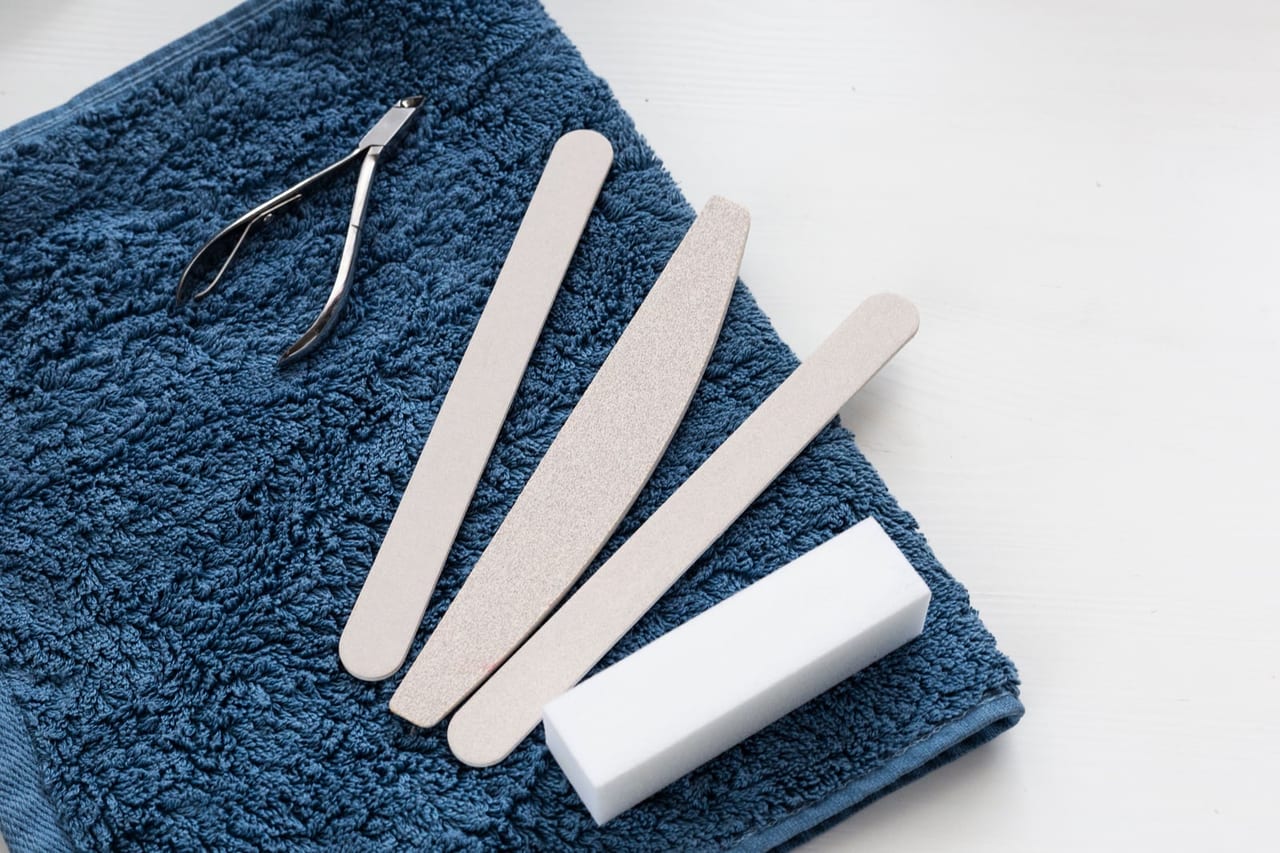
A toenail clipper is larger than the fingernail kind, with a straight or nearly straight cutting edge and a jaw that opens wide enough for a thicker nail. A fingernail clipper's small, curved jaw tends to round off the edge, the very shape you're trying to avoid. Add a nail file or an emery board for the finish, and for very thick nails, nail nippers with a longer, open jaw can make the work easier.
Where you sit counts too. Balancing on one leg, or bending double over a foot you can barely see, is how cuts end up crooked or too close. A chair with your heel on a low stool puts each toe within reach, and daylight or a bright lamp shows where the nail ends and the skin begins.
How to trim your toenails, step by step
The routine takes about 15 minutes, much of it the soak. You'll need a toenail clipper, a nail file or emery board, a towel and, unless you've just showered, a basin of warm water. If you have diabetes or less feeling in your feet, skip the soak and trim after washing and drying them, testing the water with your elbow first.
Soften the nails first
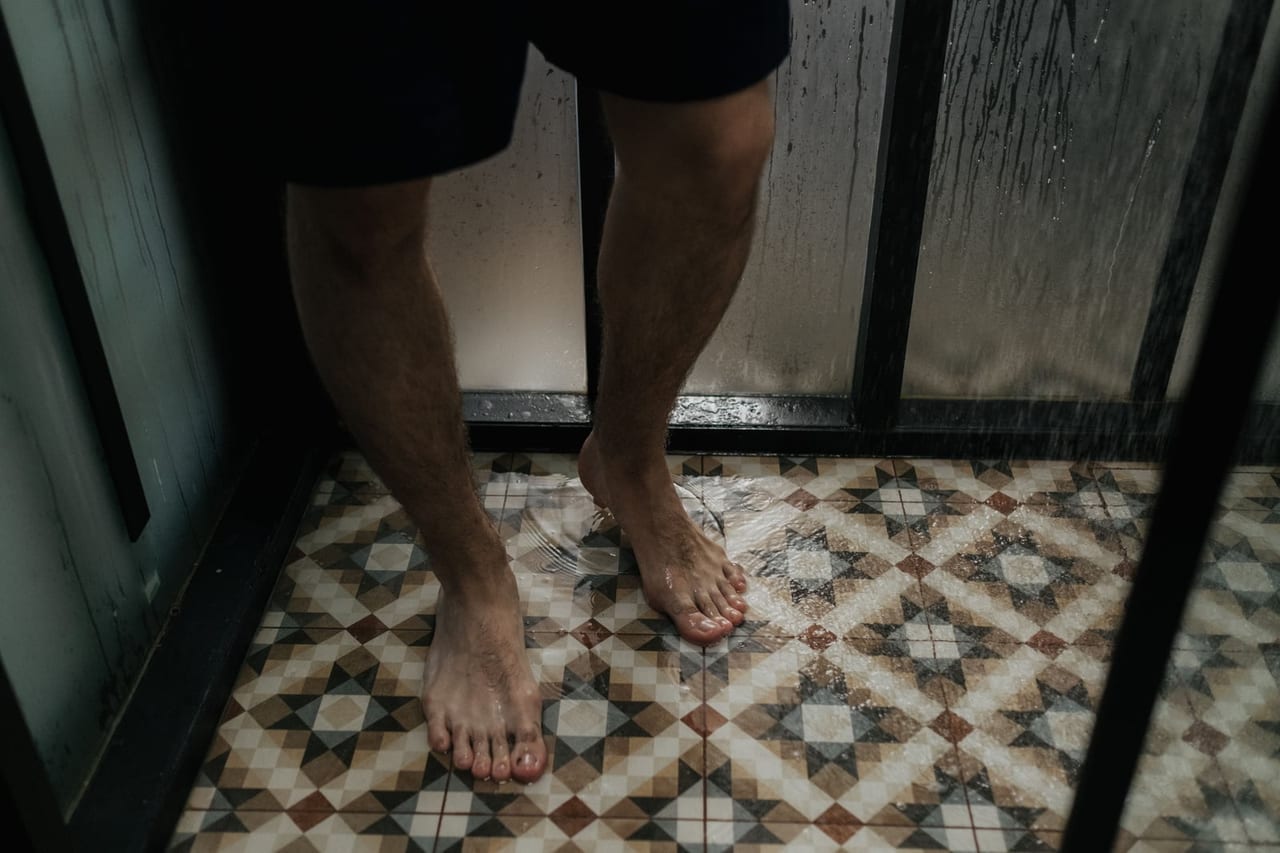
Trim after a bath or shower, or soak your feet in warm water for a few minutes. Towel them dry, including between the toes.
Sit where you can see
Sit in good light with your heel on a low stool. Use a straight-edged toenail clipper, not fingernail clippers or scissors.
Cut straight across in small snips
Start at one corner and work across in small, straight cuts rather than one big squeeze, which can split the nail. Stop about level with the tip of your toe.
Leave the corners in place
Don't round the nail to follow your toe or cut down into the sides. The corners should stay visible above the skin.
Smooth the edge with a file
File any sharp point or rough spot with a nail file or emery board. Pull it in one direction rather than sawing back and forth.
Clean the clipper before storing it
Rinse and dry the clipper before you put it away. About once a month, wipe the blades with rubbing alcohol.
A finished nail looks plain: a straight edge, both corners clear of the skin and nothing sharp under a fingertip. It may look a touch longer than you're used to, and that margin lets the nail grow forward without meeting the skin at its sides. If a sock still catches, a few more strokes of the file will smooth it.
Thick nails and feet that are hard to reach
Toenails can grow thicker and harder over the years, and a thick nail needs patience more than force. A longer soak, about 5 to 10 minutes in warm water, softens it, and the smallest cuts you can manage keep it from cracking. If the clipper won't close without a struggle, stop rather than force it. There's more on how nails change in how your feet change with age, and a nail turning thick, discolored or crumbly is worth showing to a healthcare professional.
Reach can be the bigger problem. Stiff hips, a sore back, late pregnancy or a recovery from surgery can put your toes out of easy view, and a trim done by feel is how nicks happen. A family member can help while you watch, and a foot care professional can trim your nails when doing it yourself isn't practical.
Why your shoes are part of the picture
A careful trim can still be undone by a tight shoe, since its squeeze on the skin beside the nail lasts all day. What helps is room: a toe box that lets your toes lie flat, with about half an inch of space in front of your longest toe, and there's more on fit in what to look for in walking shoes. Narrow, pointed styles deserve a second look, and so do shoes that feel snug by evening, because feet tend to be a little larger later in the day.
Length matters at the other end. A long toenail meets the front of the shoe before the toe does, so a downhill walk or a stubbed toe can jam it against the shoe. Keeping nails trimmed lowers the chance of that knock, which matters because an injured nail can lead to an ingrown edge later. Nail care belongs with the routines in simple habits for healthier feet: a few minutes now and then, not a project.
When a toenail may mean something more
Some things after a trim are ordinary. A corner can feel sharp and catch on a sock until you file it, and a nail cut a little close may feel tender for a short while before it settles. One side sometimes grows ahead of the other, which is something to even out next time, not a worry.
Pay closer attention to anything that builds rather than settles. Tenderness that keeps growing along the side of a nail, especially with redness, swelling or warmth, can mean the edge is pressing into the skin, and pus or drainage is a reason not to wait. Don't dig the edge out or cut it away yourself. Changes in the nail itself matter as well, and going without polish for a while lets you see its true color.
Questions people ask
How often should you trim your toenails?
There's no fixed schedule, because toenails grow slowly. Trim when a nail starts to reach past the tip of your toe or catch on your socks, which tends to come around every few weeks. A quick look after a weekend shower makes the moment easy to spot.
Can you trim your own toenails if you have diabetes?
Many people with diabetes do, with extra care, but ask your care team, since a small nick can be easy to miss when feeling is reduced. Trim after washing and drying your feet rather than after a soak, test the water with your elbow and look over your feet afterward. If your nails are thick or your feet are hard to see or reach, having them trimmed for you is the safer choice.

The bottom line
The neatest-looking trim, short and curved to match the toe, is the one most likely to cause trouble. A toenail cut plain and squared off, with its corners left where they are, looks a little blunt, but it gives the nail a clear path forward through the weeks it spends inside your shoes. The whole technique asks for a few unhurried minutes and the patience to leave a little nail behind.