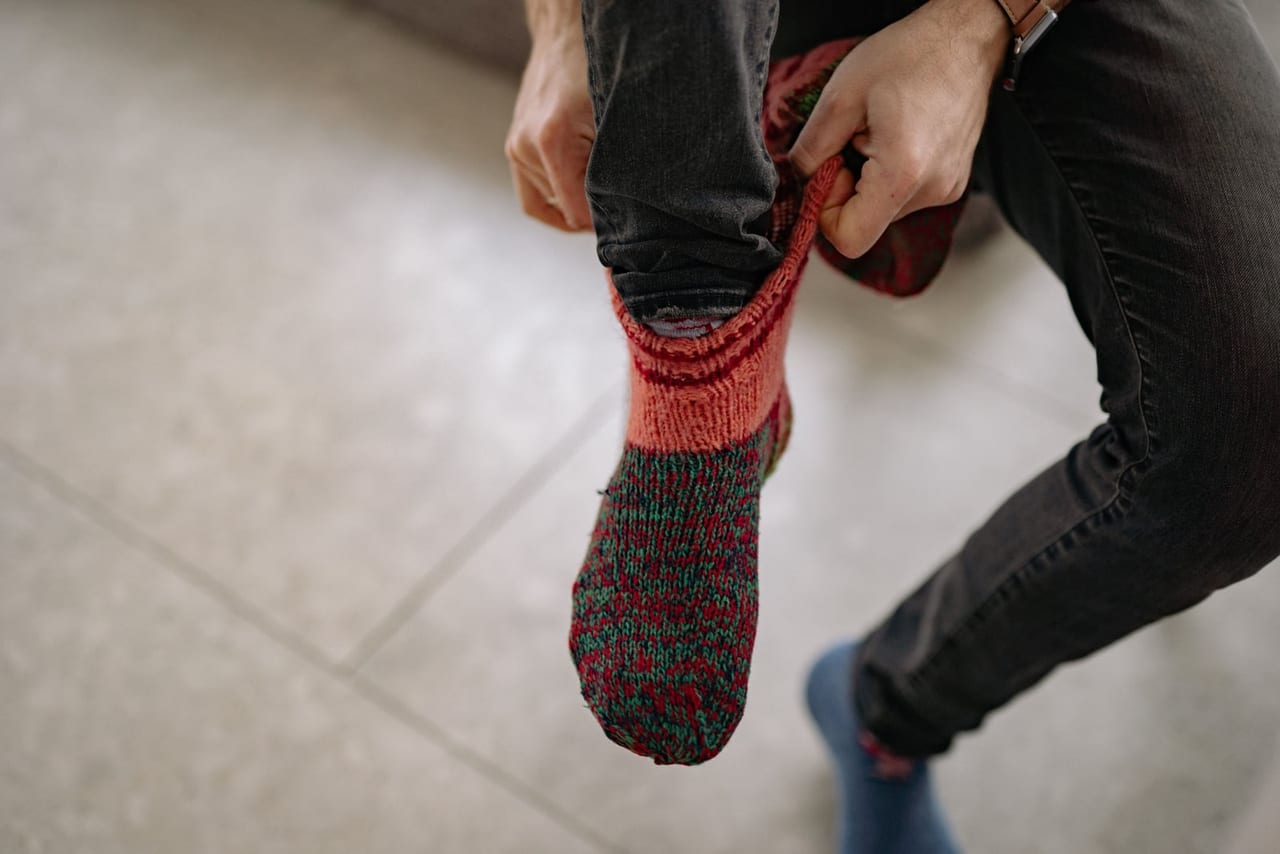
Black Toenails: Why a Toenail Turns Dark
A toenail that turns purple or black usually has an ordinary story behind it: a heavy knock, a stubbed toe or miles of walking in shoes a little too snug. The color looks alarming and changes so slowly that it's hard to know what to make of it.
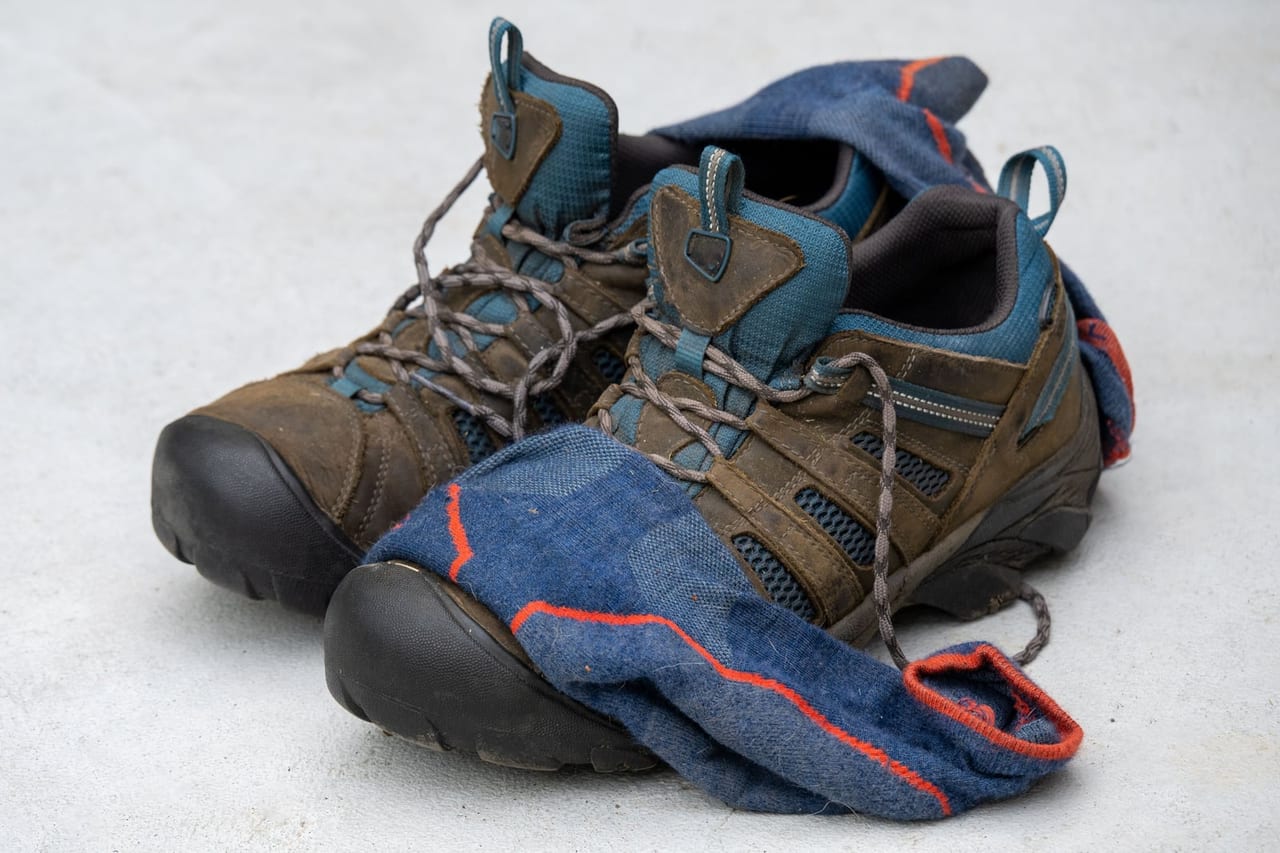
It often shows up at the end of something you enjoyed. You peel off your socks after a long hike, a race or a day of walking a new city, and the tip of one big toenail has gone a dusky purple. It barely hurts, and you can't remember hitting it.
Other times the story is obvious. A jar slips off a shelf or a bare foot meets a chair leg in the dark, and within hours the nail has darkened and the toe throbs. Either way the same questions follow: whether to leave it alone, whether the nail will fall off and how to tell a bruise from something else.
The short answer
A black toenail is usually blood trapped under the nail after the nail bed is bruised, by one hard knock or by the toe tapping the front of the shoe again and again. Short or shallow shoes, long descents, loose laces and long nails are all linked to it. The dark patch moves forward as the nail grows, often over months, and sometimes the nail comes off as a new one forms behind it.
Day to day, people commonly leave the nail alone, keep a loose edge trimmed and covered rather than pulling it off, and choose shoes and lacing that keep the toes back from the front. Severe pain, a toe that may be broken, spreading redness or pus, a dark streak with no injury behind it, or any nail change with diabetes is a reason to see a healthcare professional.
What happens under a black toenail
A toenail is a hard plate resting on the nail bed, a layer of soft tissue full of tiny blood vessels. When the nail is struck or pressed hard enough, some of those vessels break, and the blood pools between nail and bed with nowhere to go. Through the nail it can look red or purple to begin with and later maroon, brown or black, over a small spot near the tip or the whole nail.
How it feels depends on how it happened. After a sudden blow the blood is trapped under pressure, so the toe tends to throb and can be tender to even a light touch. A nail darkened by repeated rubbing often builds more quietly, and plenty of people notice it only when their socks come off. In both cases the pooled blood can lift the nail from the bed, so its edge may feel loose.
Why the toes take the knocks
The single-blow version needs little explaining. The repeated version is subtler: with every step the foot shifts slightly inside the shoe, and if the front of the shoe is too close or too low, the tip of the toe meets it again and again. Each tap is small, but over thousands of steps they can add up to a bruise. That's why dark nails are common in runners, hikers and people who play stop-and-start sports such as soccer and basketball.
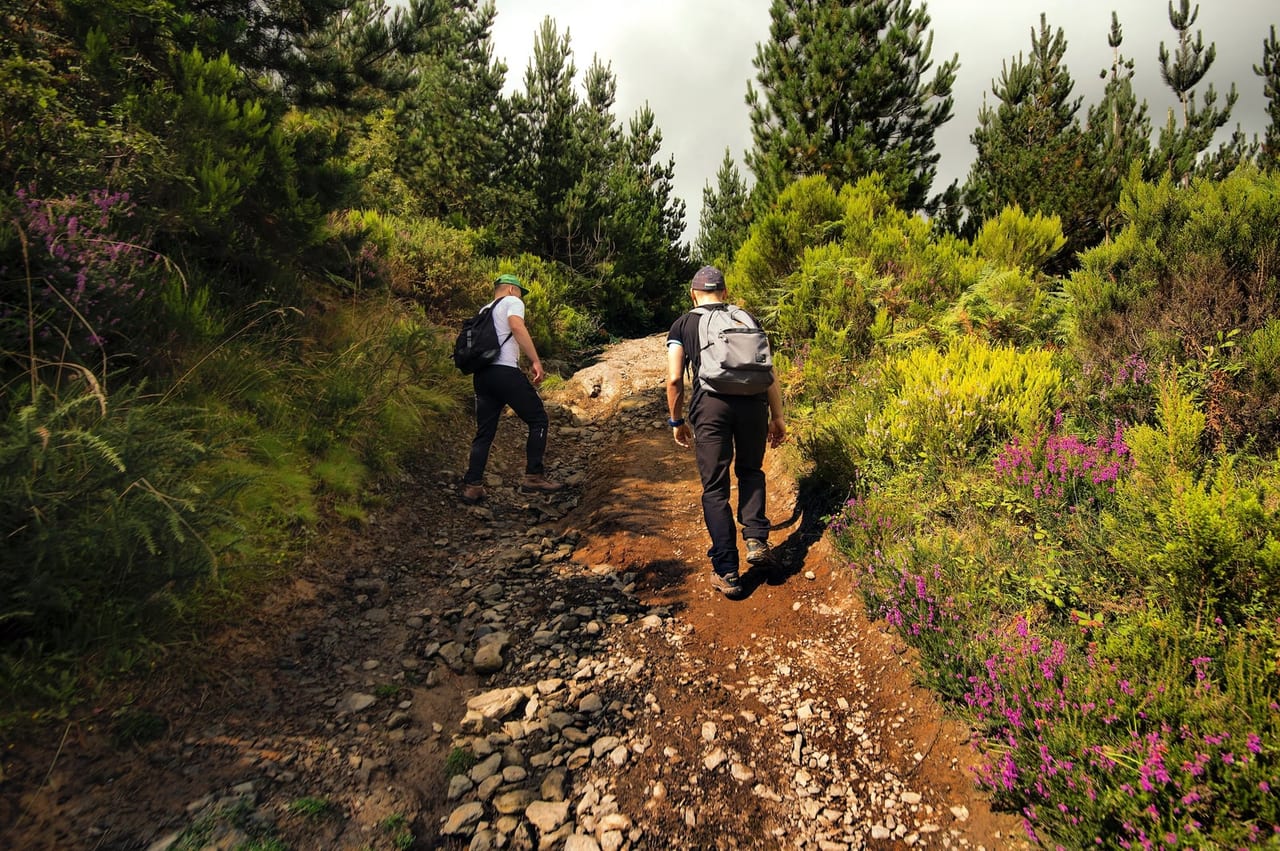
Several things bring toe and shoe together. A shoe that's a little short, or a toe box too shallow for the toes, leaves no margin. Going downhill pushes the foot forward with each step, which makes a long trail descent a classic setting. Loose laces let the foot slide farther, and socks that bunch or turn damp can add to the slipping.
The toe itself plays a part. A toenail left long is the first part to meet the shoe, and the cut that keeps it in check is in how to trim your toenails. Whichever toe reaches farthest forward tends to take the most knocks, and for some people that's the second toe. A smaller knock may leave a mark in people who take blood thinners, and people with reduced feeling in their feet, which can come with diabetes, may not feel the knocks at all.
How a dark toenail grows out
The blood under a nail doesn't fade the way a bruise on your shin does. It stays trapped and leaves only as the nail carries it forward. Toenails grow slowly from the base, under the fold of skin at the back, so the dark patch creeps toward the tip while clear nail appears behind it, a process that often takes months.
Some nails stay attached throughout. Others lift at the edge, loosen and eventually come off, often once a new nail has begun to form underneath, which looks worrying but is often how a badly bruised nail is replaced. Pulling one off early is a different matter, since it can tear the nail bed and leave the new nail growing in uneven.
The nail that replaces it sometimes grows in thicker or a little uneven. There's little anyone can do to hurry any of this along, so the waiting is mostly about keeping the toe comfortable and away from the front of the shoe.
Everyday habits while the nail grows out
These habits are the ones most often suggested while a dark nail grows out, when the aim is to avoid adding new knocks. You need a toenail clipper, a few adhesive bandages and the shoes and socks you wear most. With diabetes, poor circulation or reduced feeling in the feet, a dark nail is worth having looked at rather than watched at home.
Leave the nail and the blood alone
Don't pierce, drill or press the nail to let the blood out, and don't pull at a nail that has started to lift. Let it loosen and grow out on its own schedule.
Trim and cover a loose edge
If the nail lifts, trim the loose part back to where it's still attached, and keep a bandage over it so it doesn't snag on socks or bedsheets.
Check the room at the front
Stand in the shoes you wear most and look for about a thumb's width of space in front of your longest toe, with a toe box deep enough that nothing presses on the nails.
Lace so your heel stays put
Snug the laces over the top of the foot and at the top eyelets, so the foot doesn't slide forward with each step, and check them again before a long downhill stretch.
Wear socks that fit and stay dry
Choose socks that don't bunch at the toes and that wick moisture, in the thickness you wore when the shoes were fitted.
None of these habits moves the dark patch along faster, since only the nail's growth does that. What they're aimed at is the next bruise, under the new nail or on the same toe after the next long hike. The fit checks are set out in how to try on shoes, and the heel lock that holds a sliding foot is in how to lace shoes for long shifts.
What a healthcare professional may do
A visit usually begins with looking and asking. A healthcare professional may ask how and when the nail turned dark, what you were doing and in which shoes, whether you take blood thinners and whether you have diabetes. They may press gently around the toe and watch how it moves, and if a bone may be broken, imaging can show it.
For a fresh, painful bruise with a lot of blood under the nail, a professional may make a tiny opening in the nail to release the trapped blood. For a nail that's badly damaged or hanging loose, they may talk through removing it so the new one can grow in.
Part of a visit can be about ruling other things out. Fungi can turn a nail yellow, white or brown and thicken it, and a professional may look at a small clipping. Much less often, a dark streak running the length of a nail is a rare skin cancer that can begin under a nail, most often on the big toe. If something about the color or the skin around it doesn't fit, a professional may take a small sample.
When a dark toenail may mean something more
A nail that darkens after a knock you remember, or after a long run or hike, and then slowly grows out is the ordinary pattern, even when it loosens and comes off along the way. Some tenderness at first fits that picture too. The reassuring sign is movement: as the weeks pass, the dark area travels toward the tip and clear nail appears behind it.
Pay closer attention when the picture doesn't match. Severe pain after an injury, a toe that points a different way or makes walking hard, and pain and swelling that haven't begun to settle after a few days are reasons to see a healthcare professional. So are spreading redness, warmth, growing swelling, pus or a fever. The same goes for a dark streak or patch that appeared without any knock or long effort, stays put as the nail grows, widens or spreads onto the skin beside it. With diabetes or reduced feeling in the feet, any dark nail is worth having looked at.
Questions people ask
How long does a black toenail take to grow out?
There isn't one timeline, because it depends on how much of the nail is dark and how fast your nails grow. Toenails grow slowly, so the dark part often takes months to reach the tip and be trimmed away. A nail that has come off can take a year or longer to grow back.
Should you drain a black toenail at home?
No. Piercing a nail with a pin, a drill or anything heated can break the skin underneath and give germs a way in. When a fresh bruise is very painful, a healthcare professional can release the blood safely, and a smaller bruise can simply be left to grow out with the nail.

The bottom line
A black toenail looks dramatic for something so ordinary. Most of the time it's a small record of where the toe met the shoe or the floor, kept under the nail and cleared only as fast as the nail grows. The useful response is mostly patience, along with a shoe that gives the next nail more room than the last one had.