Flat Feet: What They Are and When They Matter
Is a flat foot a problem, or just a shape? The answer depends on how the foot looks, how it feels and whether it's changing, and the three don't always agree.

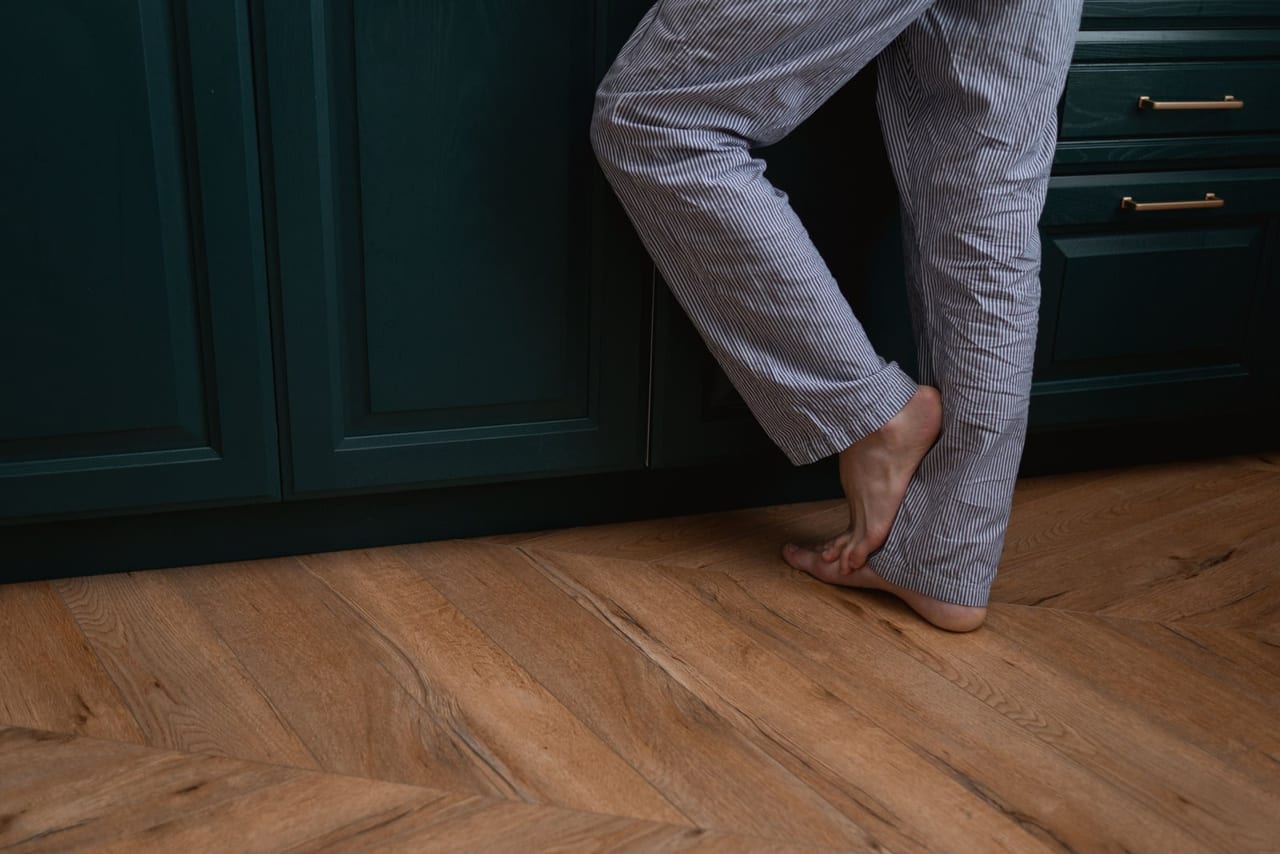
Sit on the edge of the bed in the morning with your feet hanging, and the inner edge of each foot curves up toward the ankle. Stand, and the curve sinks, sometimes until most of the sole rests on the floor. For many people that's the shape they've always had, one they notice only when a wet footprint or a remark at the shoe store makes them look down.
For others the shape arrives with questions. The arches feel tired by evening, or the inside of an ankle aches after a long walk, or one arch looks lower than it did a few years ago. It's hard to know what to make of any of it.
The short answer
Flat feet have a low arch along the inner side of the foot, so that much or all of the sole touches the floor when you stand. In most people the arch reappears when they sit or rise onto their toes, and the foot usually causes no trouble. When arches tire, people commonly choose steady shoes, stretch their calves, add a few foot exercises or try a supportive insole. Talk with a healthcare professional about pain that lingers, an arch that is gradually dropping, pain or swelling along the inside of the ankle, or a child's flat feet that come with pain.
What counts as a flat foot
The arch in question is the long one on the inner side of the foot, curving from heel to ball. Bones, ligaments, tendons and small muscles hold it up, and it flexes a little on every step, flattening under your weight and lifting as the weight moves on. In a flat foot the curve sits low, or sinks until the sole meets the floor.
There are two main kinds. In the more common flexible kind, the arch is visible when you sit or rise onto your toes and settles when you stand. In the rigid kind, which is less common, the arch stays flat in every position, and a healthcare professional can tell what's behind it. A wet footprint at home gives a first look at your own arch, as how to find your arch type explains.
Every baby's foot looks flat, partly because a pad of soft tissue fills the arch. The arch takes shape gradually through the early years, and in some people it never fully forms, which is usually just a variation in foot shape.
What people notice
Most people with flat feet notice nothing at all. When there are signs, a common one is tired, aching feet after long stretches of standing or walking. The ache may sit in the arch, in the heel or along the inside of the foot and ankle, and some people notice swelling on the inner side of the ankle. The ache often builds with activity, the foot can feel weak when you push off, and it may be worse in sandals or other footwear with little support, or barefoot.
Some people notice their feet rolling inward as they walk. Pronation, the slight inward roll the foot makes after the heel lands, is a normal part of absorbing each step. In a flat foot it can go further, asking more of the muscles and tendons that hold the arch up. Heel pain that is sharpest with the first steps of the day is a different pattern, explained in the guide to plantar fasciitis.
Why some arches stay low and others drop
Flexible flat feet usually begin in childhood. Why one person's arch forms fully and another's doesn't isn't completely understood. A low arch often runs in families, and looser ligaments seem to play a part, letting the arch sag under body weight.
An arch that was there in childhood can drop later, a change often called a fallen arch. An injury to the foot or ankle can do it, sometimes abruptly, and so can the wear and tear of years. Extra body weight, which adds strain to the arch, and long-term conditions such as diabetes are linked to it too. Pregnancy, with its extra weight and looser ligaments, can leave arches a little lower afterward.
One tendon deserves a mention: it runs behind the inside ankle bone and attaches under the arch, helping to hold it up. When that tendon weakens with wear, the arch may gradually flatten, the inside of the ankle may ache and swell, and the heel and foot may shift outward. It's the most common reason an adult's arch changes later in life.
Everyday habits people with flat feet use
A flat foot that feels fine doesn't need any of these habits. The stretch and the arch exercise need only a wall and a chair. Move slowly and gently, stop anything that doesn't feel right, and if you're recovering from an injury or surgery, check with a healthcare professional first.
Check the shoes you wear most
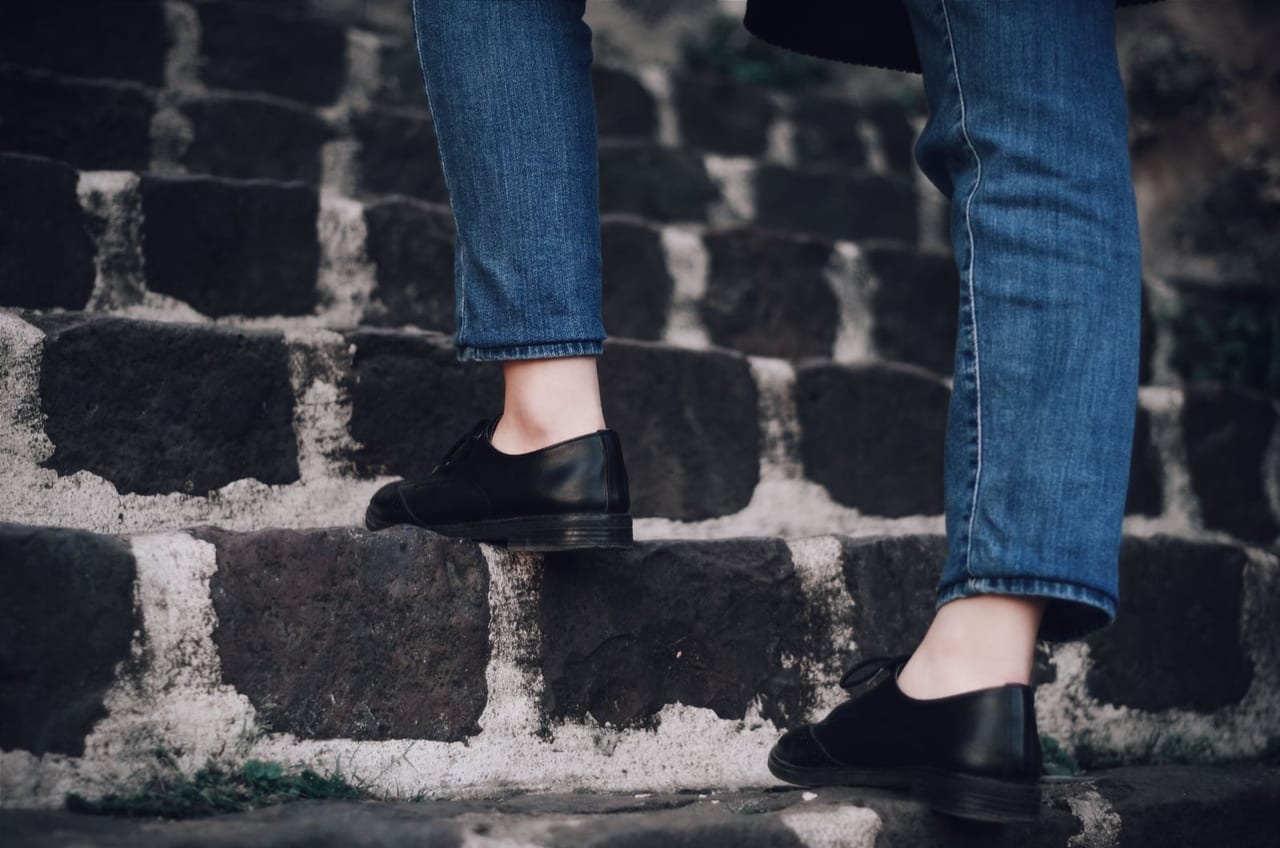
Look for a firm heel, some structure under the arch and a sole that bends at the ball of the foot rather than in the middle. Many people find a roomy toe box more comfortable.
Try an arch-supporting insole
Some people find a cushioned, supportive insole more comfortable in shoes with a removable footbed. Take the original insole out first and walk around in the new one before you decide.
Stretch your calves gently
Face a wall, step one foot back with the heel down and lean in until you feel a gentle pull in the calf. Hold for about 30 seconds without bouncing, then switch legs.
Work the small muscles of the arch
Sit with your feet flat and draw the ball of one foot toward the heel so the arch lifts a little, toes long and relaxed. Hold for about five seconds, relax, and repeat a few times on each foot.
Build up activity in small steps
When you start a longer walk or a new workout, add a little at a time and notice how your arches feel the next morning.
Supportive shoes and calf stretching are among the habits most often suggested for flat feet. The calf matters because some people with flat feet also have a tight Achilles tendon, the thick tendon at the back of the heel that the calf muscles pull on. The arch moves work the small muscles inside the foot, with more of them in simple arch exercises. None of these habits, an insole included, changes the shape of the bones, so it's fine to keep only the ones that suit your own days.
What a healthcare professional may do
A healthcare professional will usually begin by looking and asking. They may look at your feet from the front and the back while you stand and sit, ask you to rise onto your toes, and move the foot and ankle to check strength and flexibility. They may also ask when the change began and order imaging, such as X-rays, to see how the bones line up.
A flat foot that doesn't hurt often calls for nothing more than reassurance. When a foot does ache, they may talk through options such as supportive footwear, store-bought or custom-made inserts, a stretching routine, a supervised exercise program, easing back on an activity, or a brace or boot for a time. For some people, when other care hasn't been enough, surgery may come up too.
When flat feet may mean something more
Most flat feet are ordinary. Flat feet that have looked the same for years, on both sides, and feel fine in your shoes are simply a variation in shape. So is the tiredness in the arches after a long day that fades with rest. Plenty of people with flat feet walk and play sports without a second thought.
Pay closer attention when the picture changes. An arch that is gradually dropping, pain or swelling along the inside of the ankle, or aching that lingers for weeks falls outside that everyday pattern. So does a foot that seems to be turning outward, or one that looks very different from the other. Any of them may turn out to be minor, but a healthcare professional can tell what's going on.
Questions people ask
Are flat feet normal in babies and children?
Yes. Flat-looking feet are the norm in toddlers, and most children's arches take shape over the early years, later in some than in others. A flexible flat foot that doesn't hurt generally needs neither special shoes nor inserts. A child with foot or leg pain, or with only one flat foot, is worth asking a healthcare professional about.
Can flat feet cause knee, hip or back pain?
Some people with flat feet notice aching higher up the leg, and the foot may be one piece of that picture. The link looks modest and mixed, though, and knees, hips and backs have plenty of other causes, so a flat arch rarely tells the whole story. Aching that lingers is worth mentioning to a healthcare professional, who can look at the whole leg.

The bottom line
The arch that rises and sinks between the edge of the bed and the floor is, for most people, simply how their feet are built. It becomes a question only when it starts to ache or to change, and no footprint can show either one; your own feet, day after day, can.