How to Clean Suede and Nubuck Shoes
Suede and nubuck have a soft, velvety surface that water and scrubbing can flatten, stain or stiffen. They clean up well mostly dry, with a brush and an eraser.
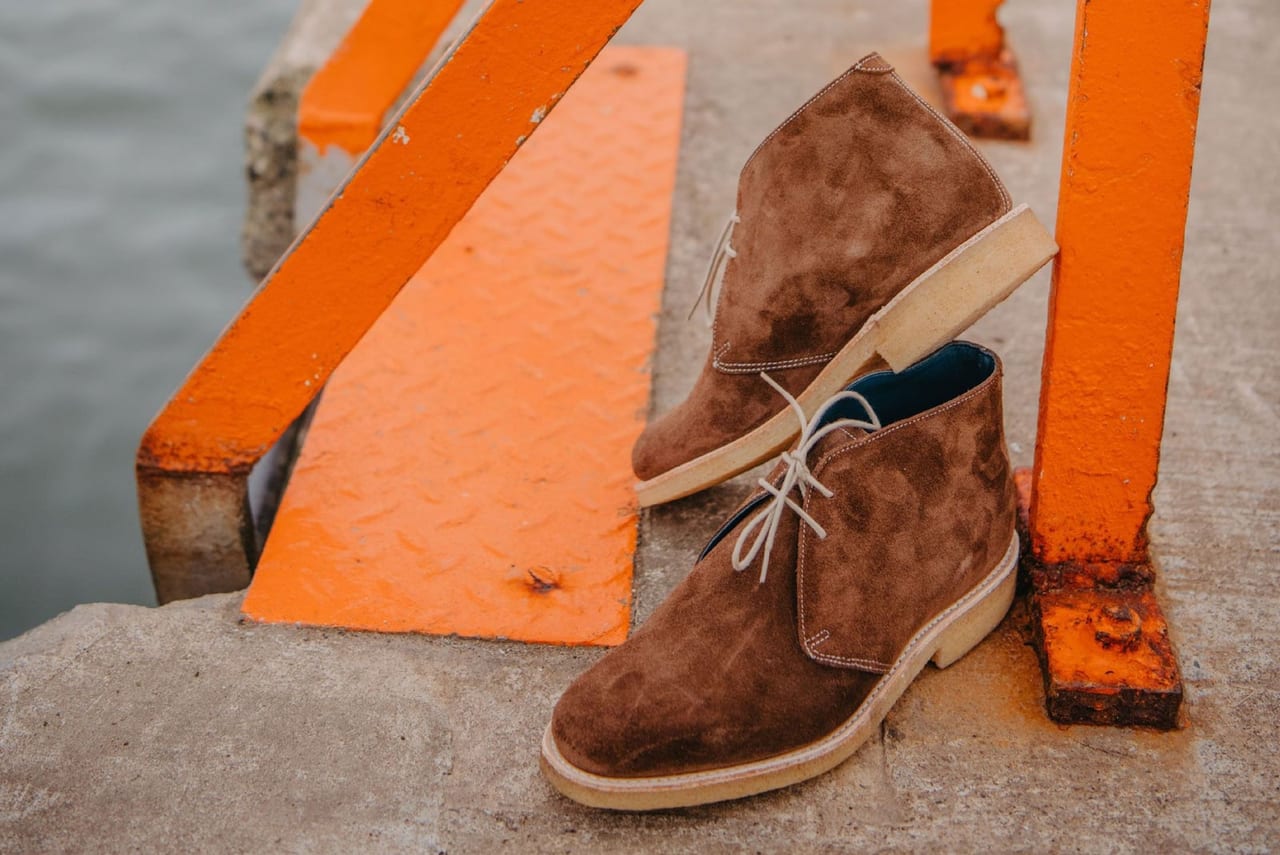
Suede shoes have a way of collecting a life story: a dusty toe, a darker patch where a puddle caught them, a shiny spot where the shoe bends. Most of those marks are ordinary, yet with suede it's hard to tell which fix is safe, and the wrong one can turn a small mark into a bigger one.
The short answer
Clean suede and nubuck mostly dry. Let the shoes dry fully, brush off dirt with a suede brush and rub scuffs away with a suede eraser. For stubborn marks, dab with a cloth barely dampened with white vinegar after testing a hidden spot, then finish with a protector spray made for suede. Avoid soaking, hard scrubbing and heat: never put suede or nubuck in the washing machine or the dryer, and don't brush them while they're wet. Marks that won't lift, or a stiff, discolored patch, are a job for a repair shop.
Why suede and nubuck need a gentle hand
Both are leather, but their surface works differently from smooth leather, and that changes how you clean them. Each has a surface of short, raised fibers called the nap, which gives them their soft feel; dirt settles between those fibers, and rubbing or water can flatten and mat them. Suede is usually made from the inner side of the hide, brushed into a soft nap, while nubuck comes from the outer side, sanded until it feels like velvet. Nubuck tends to be a little sturdier, but both mark easily, and synthetic look-alikes may have a care label of their own, so check it first.
Water is the first thing to understand. It can darken suede, leave a ring as a wet patch dries, and leave the nap stiff afterward. A water stain is often not the water itself but the line where a wet patch dried, which is the edge the eye catches. So the usual fix sounds backward: dampen the whole panel evenly with a lightly damp cloth, so it dries without an edge, then stuff the shoe with paper, let it dry at room temperature and brush the nap back up. Go lightly; the aim is even dampness, not a soak.
Oil, color and heat round out the list. Napped leather can soak up oil quickly, so a drip of cooking oil or a greasy mark can spread and darken if it's left. Suede and nubuck are often dyed, and harsh cleaners or too much water can lift or streak the color, which is why every wet method starts with a test on a hidden spot. A radiator, a hair dryer or a clothes dryer can stiffen leather and loosen the glue that holds the sole.
How to clean suede and nubuck, step by step
Work on dry shoes in good light, and test anything wet on a hidden spot, such as the inside of the heel, before you use it on the rest. You need a suede brush, whose bristles lift dirt and raise the nap and which often has a rubber side for scuffs, and a suede eraser or a clean white pencil eraser. The rest of the kit is a soft cloth, white vinegar, cornstarch, plain paper and a protector spray made for suede and nubuck. The whole routine takes about 15 minutes, plus drying time.
Let them dry completely
If the shoes are damp, stuff them with plain paper and let them dry at room temperature, away from heaters. Brushing wet suede can mat the nap.
Brush off the dirt
Brush the whole shoe with a suede brush, first in one direction to lift loose dirt, then lightly back and forth to raise the nap.
Erase scuffs and marks
Rub small marks with a suede eraser, or a clean white pencil eraser, using light pressure. Brush the area again afterward to lift the nap.
Lift stubborn marks gently
Test white vinegar on a hidden spot first. Then dab the mark with a cloth barely dampened with it, let the area dry, and brush the nap up again.
Draw out fresh oil
Cover a fresh oil or grease mark with a little cornstarch and leave it for a few hours to soak up the oil. Brush it away, and repeat if needed.
Protect them
On clean, dry shoes, apply a protector spray made for suede and nubuck, outdoors or in a well-ventilated room, following the label. Let the shoes dry fully before you wear them.
Two kitchen helpers cover the marks a brush can't lift: cornstarch for fresh oil and grease, and white vinegar for stubborn marks and salt lines, tested on a hidden spot first. Plain paper does the quiet work in between, stuffed into the shoes while they dry so they hold their shape. Mesh, canvas and smooth leather are cleaned differently, and how to clean sneakers covers them.
Wearing suede in rain, snow and salt
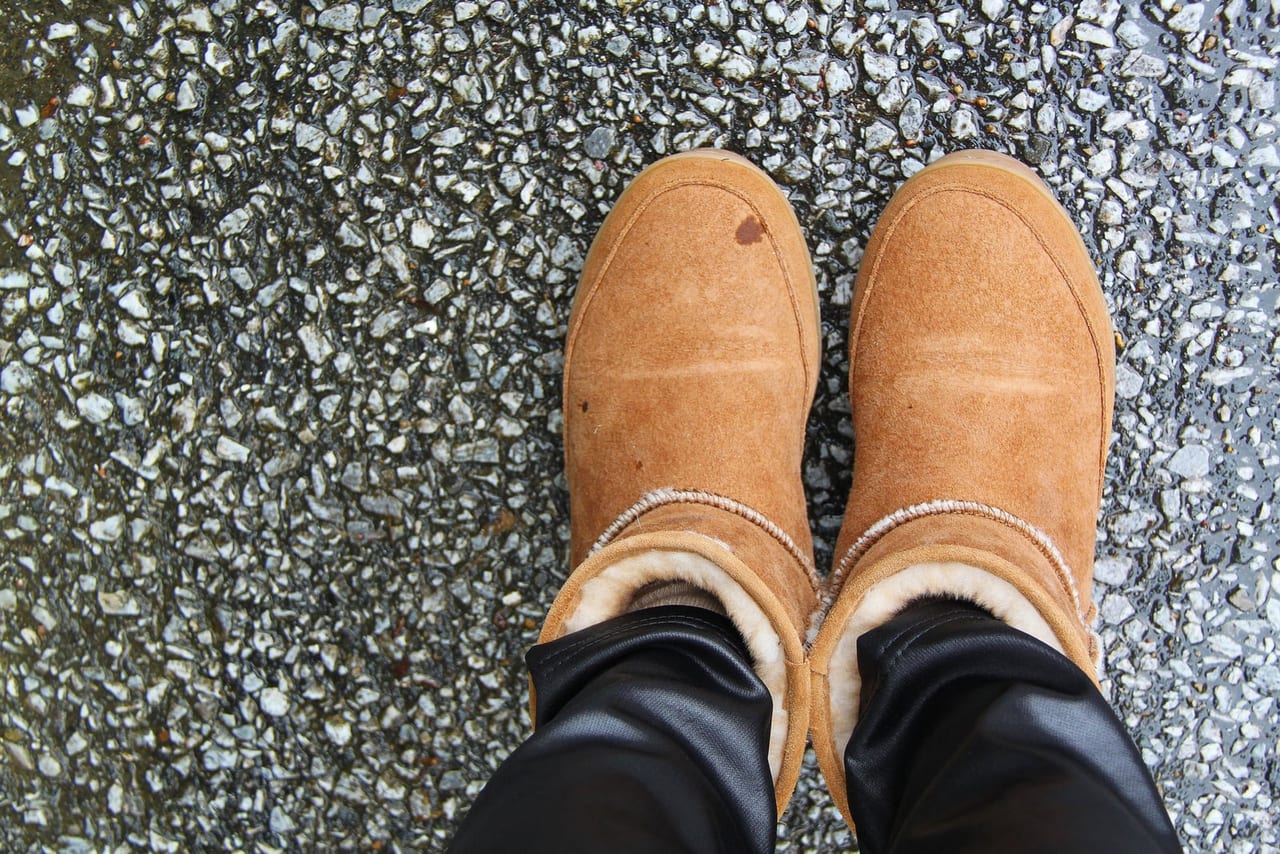
Suede doesn't have to stay indoors, but it needs a little planning. A protector spray applied before the first wear can help water bead up instead of soaking in, and it goes on again after a full cleaning, as often as the label directs. If you get caught in the rain, blot the shoes with a dry cloth, stuff them with paper and let them dry at room temperature, then brush the nap.
Winter sidewalks leave white salt lines, which come off with a cloth barely dampened with white vinegar; let the shoes dry, then brush them. Between seasons, keep suede in a breathable bag, out of the sun, as how to store shoes explains. Most suede care happens at the door, in the moments after you come in from the rain.
When a mark may need more than a brush
Dust, light scuffs, a flattened patch where the shoe bends and a faint water mark are ordinary on suede and nubuck you wear. A brush, an eraser and a little patience usually bring the shoes back. None of them means the shoes are ruined.
The harder part is knowing when to stop. Each method in the routine is gentle on its own, but going over the same spot again and again adds up: every extra dampening risks a ring or a streak of lifted color, and extra rubbing can flatten the nap you're trying to raise. Give each tool one careful try, and let the shoe dry fully before you judge the result, since water can darken suede and a damp patch says little about how it will look. If the mark fades a little with each pass, another round is reasonable; if it hasn't changed at all, more of the same is unlikely to help.
Pay closer attention if a stain returns after cleaning, oil or ink has set in, or a patch has gone stiff, shiny or faded. Home remedies can make a set stain worse, so this is the point to ask a repair shop rather than reach for something stronger. The list below covers what a shop can help with.
When to take your shoes to a repair shop
A shoe repair shop can help if you notice:
- A stain that's still there after brushing, erasing and a careful spot clean
- Oil, grease or ink that has set into the nap
- A patch that has gone stiff, shiny or hard
- Color that has faded or turned patchy
- Suede that shrank or cracked after getting soaked
- A sole or stitching that has started to come loose
Questions people ask
Can suede shoes get wet?
A little rain won't ruin them, especially after a protector spray, but soaking can mark and stiffen them. Blot them, let them dry at room temperature with paper inside, then brush the nap. If a water line appears, dampen the whole panel evenly and let it dry again.
Can you wash suede in the washing machine?
No. Makers of suede footwear advise against it, since soaking and tumbling can mark the leather and flatten the nap, and a dryer's heat can stiffen leather and loosen the glue that holds the sole. Clean suede by hand, mostly dry.
How often should you use protector spray on suede?
Apply it to new shoes before you wear them, and again after a full cleaning; the label will say how often to reapply. Use it on clean, dry shoes, outdoors or in a well-ventilated room, and let them dry fully before you wear them.
Can you use a pencil eraser on suede?
A clean white pencil eraser can lift small scuffs with light pressure, on the same principle as a suede eraser. Brush the area afterward to lift the nap, and skip colored erasers, which can leave marks of their own.
The bottom line
What suede mostly asks for is a lighter touch than instinct suggests. You can't keep it from every puddle and dusty floor, but you can decide how you respond, and on a surface this soft, patience usually does more than force.